Where Did 'In the Clerb We All Fam' Come From? The Viral Sound Unpacked
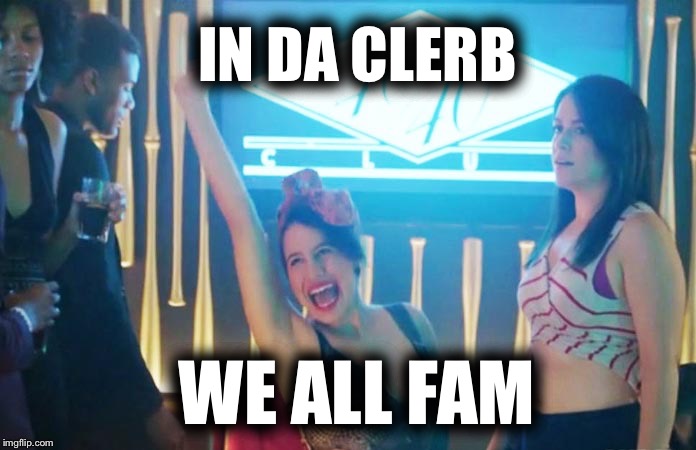
Every few months, short-form video platforms unearth an artifact from mid-2010s comedy and turn it into a generational catchphrase. Over the past several seasons, tens of millions of viewers scrolling through feeds have bumped into a garbled, ecstatic line spoken with theatrical bravado: "In the clerb, we all fam." As coverage from the Dallas Observer highlights while chronicling Ilana Glazer's touring stand-up sets, her distinct physical delivery and surreal comedic timing continue to anchor contemporary pop culture across platforms.
📌 Quick Summary:
- The Source: The viral audio clip originates from the critically acclaimed Comedy Central sitcom Broad City, created by and starring Ilana Glazer and Abbi Jacobson.
- The Narrative Context: Glazer delivers the line during season two, episode nine ("Coat Check"), capturing the unhinged, chemically elevated camaraderie found in crowded nightclub restrooms.
- Platform Velocity: A resurgence that began in late 2024 carried into 2026, driving hundreds of thousands of TikTok and Instagram creator posts using the sound to mock artificial solidarity, chaotic nightlife, and workplace camaraderie.
The Nightclub Scene That Birthed a Modern Internet Catchphrase
The phrase "in da clurb we all fam" did not begin as an algorithmic audio loop or a spontaneous skit designed for vertical screens. It arrived a full decade earlier on linear cable television. In the March 2015 episode of Broad City titled "Coat Check," characters Ilana Wexler (Ilana Glazer) and Abbi Abrams (Abbi Jacobson) navigate a labyrinthine Manhattan party. Glazer's character finds herself on a wild, ecstasy-fueled tear through the venue, floating into bathroom stalls and dance floors with hyper-social exuberance.
In one rapid sequence, Ilana interacts with a series of absolute strangers, treating each fleeting acquaintance as a lifelong confidant. With glazed eyes, exaggerated facial contortions, and deliberate vocal distortion, she proclaims that social friction dissolves under strobe lights: "In the clerb, we all fam." Her hyper-specific inflection, substituting "clerb" for "club" and "fam" for "family", distilled the absurd false intimacy shared among strangers intoxicated in public spaces. It became an immediate highlight for regular viewers of the Comedy Central run, yet its transition into an omnipresent internet meme required another platform cycle entirely.
Deconstructing the Linguistic Slang and Delivery
Linguistically, the humor rests on phonetic elongation and exaggerated vernacular. Slang historians and digital culture researchers track the deliberate vowels of "clerb" back to the millennial camp humor popularized by internet sketches in the late 2000s and early 2010s. Comedians often substituted front vowels with rhotic, closed sounds to convey an uncoordinated, slightly tipsy character trying to sound composed.
By pairing that distorted pronunciation with the modern colloquial shorthand "fam," Glazer satirized the unearned brotherhood that pops up at 2:00 a.m. among people who will never see one another again. The delivery is both affectionate and predatory in its enthusiasm. That precise balance explains why social media creators adopted the clip as a shorthand reaction template. The sound functions as an audio punchline whenever an unhinged group of strangers bands together over a minor shared inconvenience, a communal bad decision, or a wildly inappropriate workplace situation.
The Evolution from Linear Sitcom Joke to Global TikTok Audio Trend
The journey from a 2015 television broadcast to a persistent 2024, 2026 social media trend illustrates how modern video platforms strip narrative context to build new communal jokes. While Broad City had a dedicated following during its five-season run, its resurgence on short-form platforms reached audiences who were still in primary school when the episode first aired.
| Phase | Time Period | Platform Dynamics & Cultural Function |
|---|---|---|
| Original Broadcast | March 2015 | Airs on Comedy Central's Broad City Season 2; celebrated by television critics and shared via Tumblr GIFs. |
| First Audio Resurfacing | 2021, 2022 | Scraped clips begin circulating on niche millennial nostalgia accounts across TikTok and Twitter/X. |
| Viral Audio Tipping Point | Late 2024 | Explodes across lifestyle, corporate satire, and gaming niches as reported by outlets like Mashable and USA Today. |
| Institutionalized Vernacular | 2025, 2026 | Enters general internet slang lexicon; deployed by corporate brands, college sports accounts, and live performers. |
When reporting picked up around October 2024, publications like Mashable and USA Today documented how creators adapted the sound far beyond nightlife humor. By early 2026, the audio tag had accumulated hundreds of millions of cumulative impressions across short-form platforms, proving that its utility outlived the brief lifespan typical of algorithmic memes.
Why the Audio Template Fits Modern Creator Culture
The sound succeeded because of its flexibility. Content creators do not need an actual dance venue to make the audio work. The template works through situational inversion: taking an intense declaration of loyalty and applying it to sterile, awkward environments.
Frequent iterations show up in scenarios like:
• Corporate Parody: Coworkers making eye contact in a catastrophic Monday morning strategy meeting while pretending the company culture is healthy.
• Gym Locker Rooms: Strangers silently negotiating bench press equipment or commiserating over high-intensity interval training burnout.
• Airport Delays: Strangers sharing floor outlets during three-hour flight cancellations, bonded by shared administrative misery.
• Pet Videos: Chaos clips where cats, dogs, or toddlers form chaotic alliances against household furniture.
The audio delivers instant emotional stakes. Within two seconds, the listener understands that the subjects on screen are bonded by circumstance rather than logic, using Ilana Glazer's erratic cadence to carry the joke.
Ilana Glazer's Lasting Influence on Modern Screen Comedy
The longevity of "in the clerb we all fam" underscores the deep comedic influence of Broad City. Glazer and Jacobson established an unvarnished style of female physical comedy that rejected polished sitcom archetypes. Their characters were messy, deeply broke, and unapologetic about their vices.
Industry recognition followed Glazer's sharp read of digital culture. Beyond hosting major ceremonies like the 29th Annual Webby Awards in spring 2025, she has spent 2025 and 2026 touring national comedy stages. Her work continually examines how identity, internet-era isolation, and adult relationships intersect. When contemporary creators use her audio, they tap into an established tradition of subversive physical humor created during peak cable television experimentation.
Frequently Asked Questions (FAQ)
Q1: What episode of Broad City does the line come from?
The line is delivered in Season 2, Episode 9, titled "Coat Check," which originally aired on Comedy Central on March 11, 2015.
Q2: Why do people spell it "clerb" instead of "club"?
The spelling mimics Ilana Glazer's exaggerated vocal performance in the scene. She rounds her mouth and shifts the vowel sound into an odd, stylized drawl to emphasize her character's intoxication and forced bravado.
Q3: Did Ilana Glazer coin the phrase "we all fam"?
No. The term "fam" originated in African American Vernacular English (AAVE) as a shorthand for family or trusted inner circles decades before the show aired. Glazer's comedic contribution was the deliberate mispronunciation ("clerb") and the satire of clubgoers applying deep loyalty terms to total strangers.
The Staying Power of Sitcom Audio in the Vertical Video Era
The staying power of "in the clerb we all fam" shows how modern video ecosystems sustain classic comedy writing. Rather than disappearing into closed streaming catalogs, memorable scenes get broken down into short, expressive reaction clips. Ilana Glazer's chaotic delivery captured a timeless feeling: the fleeting, irrational closeness people share in absurd situations. Even as video trends come and go, the line remains one of the web's sharpest tools for finding community in complete disarray.
