Where Did the Audio Come From? Visual Proof and Clip Origins of the Viral Sahur Meme
Short-form video feeds have an uncanny ability to strip localized traditions of their original meaning, reassembling them into hyper-viral, easily misunderstood audio fragments. Each Ramadan, digital platforms light up with thousands of variations of pre-dawn wake-up calls, known regionally as sahur or suhoor. Yet in recent cycles, one phonetic snippet, transcribed haphazardly by automated captions and Western users as the "jew jew jew sahur" sound, sparked bewilderment, intense algorithmic circulation, and cross-cultural debates across TikTok and Instagram Reels.
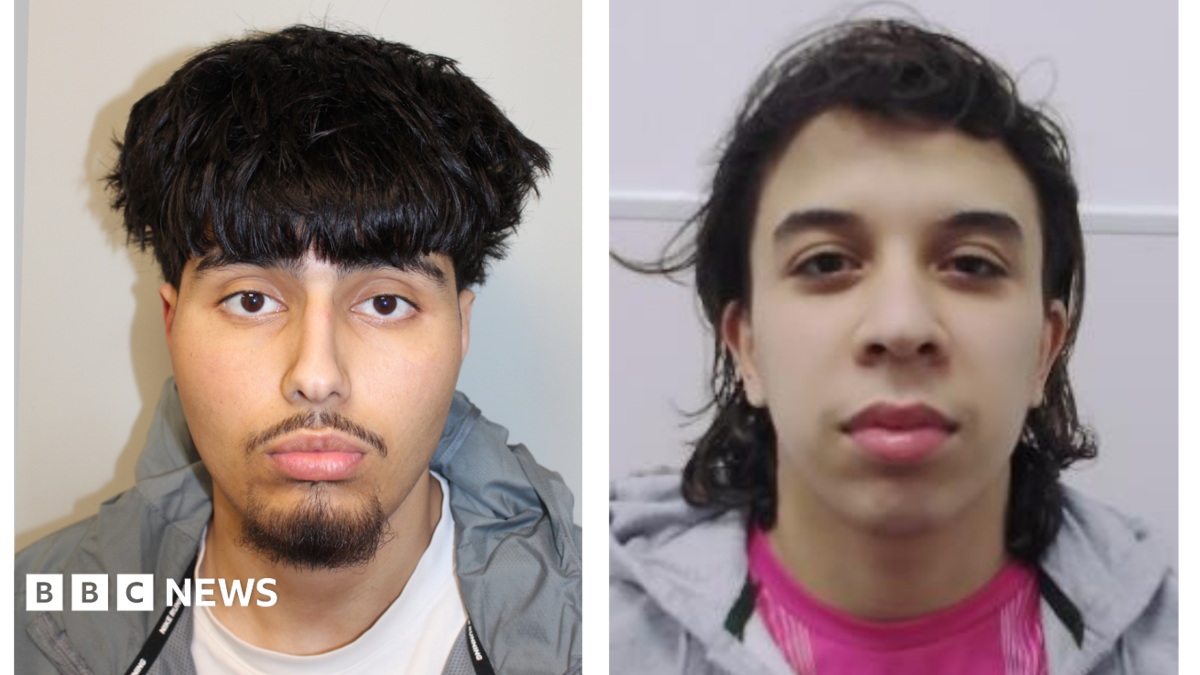
The audio track, characterized by rapid-fire, high-pitched vocal sound effects layered over traditional drumming and megaphone chants, quickly racked up millions of plays. While global audiences initially debated whether the vocalization was a localized slang term, an onomatopoeic siren impersonation, or something far more contentious, digital culture watchdogs and platform moderators faced a familiar headache. The viral momentum arrived alongside heightened public scrutiny over short-form creators crossing ethical and legal lines for digital engagement, punctuated recently when a BBC Report confirmed suspended prison sentences for content creators who filmed targeted public harassment to capture fleeting algorithm-driven clout. Untangling the audio reveals a fascinating collision between neighborhood folk traditions, automated captioning failures, and the borderless velocity of internet audio.
📌 Quick Summary:
- The Acoustic Origin: The audio stems from localized Southeast Asian youth troupes using megaphones and vocalized siren noises ("diew-diew-diew" or "tew-tew-tew") to awaken neighborhoods for the pre-dawn Ramadan meal.
- The Linguistic Glitch: Automated speech-to-text algorithms and international users misheard the vocal sound effects as English syllables, fueling viral curiosity and search engine confusion.
- The Platform Reality: The phenomenon exposes how automated moderation and recommendation engines strip regional context from grassroots community customs.
Midnight Megaphones: How Southeast Asian Sahur Traditions Entered the Algorithm
Neighborhood wake-up calls have echoed across Indonesian, Malaysian, and Bruneian towns for generations. Known as membangunkan sahur, groups of local youths patrol residential corridors between 2:00 AM and 3:30 AM during Ramadan. They bang on bamboo drums, strike metal oil barrels, and chant through battery-powered plastic megaphones to ensure fasting households awaken before the morning call to prayer.
Over the past three years, the practice underwent a digital transformation. Armed with smartphones and portable Bluetooth speakers, younger participants began mixing electronic dance music drops, video game sound effects, and playful vocal gymnastics into their live patrols. The recordings shifted from quiet communal acts into competitive performance art designed specifically for local social feeds. When creators uploaded these raucous street patrols, the videos routinely pulled six-figure view counts across Jakarta, Surabaya, and Kuala Lumpur before crossing algorithmic borders.
Deconstructing the Sound: Vocal Sirens, Not Cultural Slurs
The core confusion surrounding the "jew jew jew sahur" audio boils down to phonetics and algorithmic transcription errors. The vocalization heard in the viral audio is not an ethnic or religious descriptor. It is an exaggerated, human imitation of an emergency vehicle siren or a laser blast, frequently transcribed in Indonesian internet vernacular as nguing-nguing, tew-tew-tew, or diew-diew-diew.
Performers hold handheld megaphones close to their lips, clicking the trigger while rapidly repeating high-frequency vocal chirps to create a piercing alarm sound. When paired with the resonant shout of "Sahur! Sahur!", the audio creates an intentionally chaotic acoustic alarm clock. However, when short-form video engines processed the low-bitrate megaphone recordings through English-trained automatic captioning models, the sound-effect syllables were transcribed as "jew jew jew." English-speaking users quickly seized on the anomalous subtitles, creating search spikes that transformed an innocent neighborhood prank into an international curiosity.
Tracing the Audio: From Street Corner to Global Timeline
The journey of the sound effect illustrates the typical lifecycle of modern algorithmic audio memes. What began as a neighborhood street patrol evolved into an electronic dance remix before finding a second life as background audio for completely unrelated reaction videos.
| Phase & Timeline | Primary Platform Activity | Cultural & Algorithmic Impact |
|---|---|---|
| Phase 1: Local Capture(Ramadan 2023, 2024) | Raw smartphone recordings of Indonesian village youths patrolling residential streets with portable megaphones. | Contained entirely within regional Southeast Asian social media ecosystems; praised for humor and community energy. |
| Phase 2: TikTok Audio Rip(Late 2024, Early 2025) | Users isolated the megaphone chant, layering it over fast-paced electronic beats and dance loops. | Sound became a viral template for high-energy comedy clips, pet videos, and morning routine parodies. |
| Phase 3: Phonetic Drift(2025, 2026) | Automated captioning platforms mislabeled the vocal siren noise; international creators questioned the phrase's meaning. | Search queries surged worldwide as viewers sought clip verification and original source footage. |
Why Social Algorithms Struggle with Cross-Border Audio Context
Recommendation feeds prioritize acoustic retention over linguistic context. When an audio snippet demonstrates high completion rates, recommendation engines amplify it across disparate geographical regions without contextual metadata. A sound that carries clear, humorous meaning in Jakarta arrives in London or New York as an undecipherable acoustic puzzle.
Content platforms rely heavily on automated safety filters trained on dominant global languages. When phonetic transcriptions trigger linguistic ambiguity, algorithms often register false positives or, conversely, permit controversial discussions to flourish in comments sections. Users who encountered the sound without visual cues assumed it was an edgy joke or targeted controversy, demonstrating how quickly decontextualized media invites speculation.
Platform Moderation, Clout Hunting, and Real-World Accountability
The virality of the sahur meme highlights a broader challenge confronting social networks: distinguishing between innocent cultural eccentricities and intentional online harassment. In recent years, platform algorithms have faced severe criticism for rewarding provocative, real-world confrontation. When creators realize that ambiguous or polarizing sounds generate massive engagement, they are incentivized to produce and recycle content that hovers on the edge of controversy.
Judicial systems have increasingly stepped in where content moderation tools fall short. The sentencing of creators Adam Bedoui and Abdelkader Amir Bousloub in the UK sent a blunt signal across the social media landscape: filming targeted public abuse under the guise of online entertainment carries tangible legal consequences. While the sahur audio itself is completely benign, the ecosystem in which it circulated remains hypersensitive to any content perceived as hostile or discriminatory.
The Cultural Significance of Grassroots Soundtracks
Strip away the algorithmic noise and phonetic confusion, and the audio stands as an authentic reflection of living youth culture. Traditional observances are rarely static museum exhibits. They evolve as younger generations adopt the tools of their era.
Where past generations used hollowed wooden slit-drums (kentongan) to wake their neighbors, modern teenagers employ battery-powered megaphones, synth presets, and mobile cameras. The viral audio captures a moment of genuine communal joy and lighthearted mischief. The fact that it became an object of international debate reveals far more about the architectural blind spots of global video platforms than it does about the young people holding the megaphones.
Frequently Asked Questions (FAQ)
Q1: What are the youths actually chanting in the original audio clip?
A1: The participants are shouting *"Sahur! Sahur!"*, which is the Arabic and Southeast Asian term for the pre-dawn meal eaten before daily Ramadan fasting begins. The high-pitched sounds preceding the chant are vocalized siren noises (*"diew-diew-diew"* or *"tew-tew-tew"*), mimicking an alarm or emergency vehicle through a plastic megaphone.
Q2: Is the viral audio associated with hate speech or ethnic harassment?
A2: No. The sound has no connection to ethnic, religious, or political slurs. The confusion arose strictly from automated transcription engines and non-native listeners misinterpreting Indonesian megaphone vocal effects as English words.
Q3: Why did this specific wake-up clip become a viral sound template?
A3: The audio features an intense acoustic contrast: an erratic vocal siren suddenly followed by a rhythmic chant and background percussion. That sharp dynamic shift made it an ideal audio track for punchline-driven comedy skits, jump cuts, and pet reaction videos.
Algorithmic Audio in the Post-Context Web
The trajectory of the sahur wake-up remix underscores a defining reality of modern media consumption: on global video platforms, context rarely travels as fast as the sound itself. A communal neighborhood tradition practiced in good spirits can circle the planet as an ambiguous meme within hours.
As digital feeds continue to blend disparate cultures into an endless scroll, understanding original sources matters more than ever. The viral megaphone sound was never a cryptic international controversy. It was simply the sound of neighborhood kids making noise in the middle of the night, reminding their neighbors that morning was near.
