White House Sparks Bizarre Backlash Over 'MAGA Rick and Morty' AI Video

Official communication channels rarely feature interdimensional green portals, crude cartoon caricatures, or mechanical senior senators. That boundary collapsed this week when official administration feeds published an unhinged, two-minute animated clip that transformed Donald Trump and JD Vance into cosmic adventurers in the unmistakable visual style of Adult Swim's flagship cartoon. As documented in a Yahoo Lifestyle Canada Report, the release ignited an immediate wave of bipartisan ridicule, copyright scrutiny, and ethical pushback across major digital platforms.
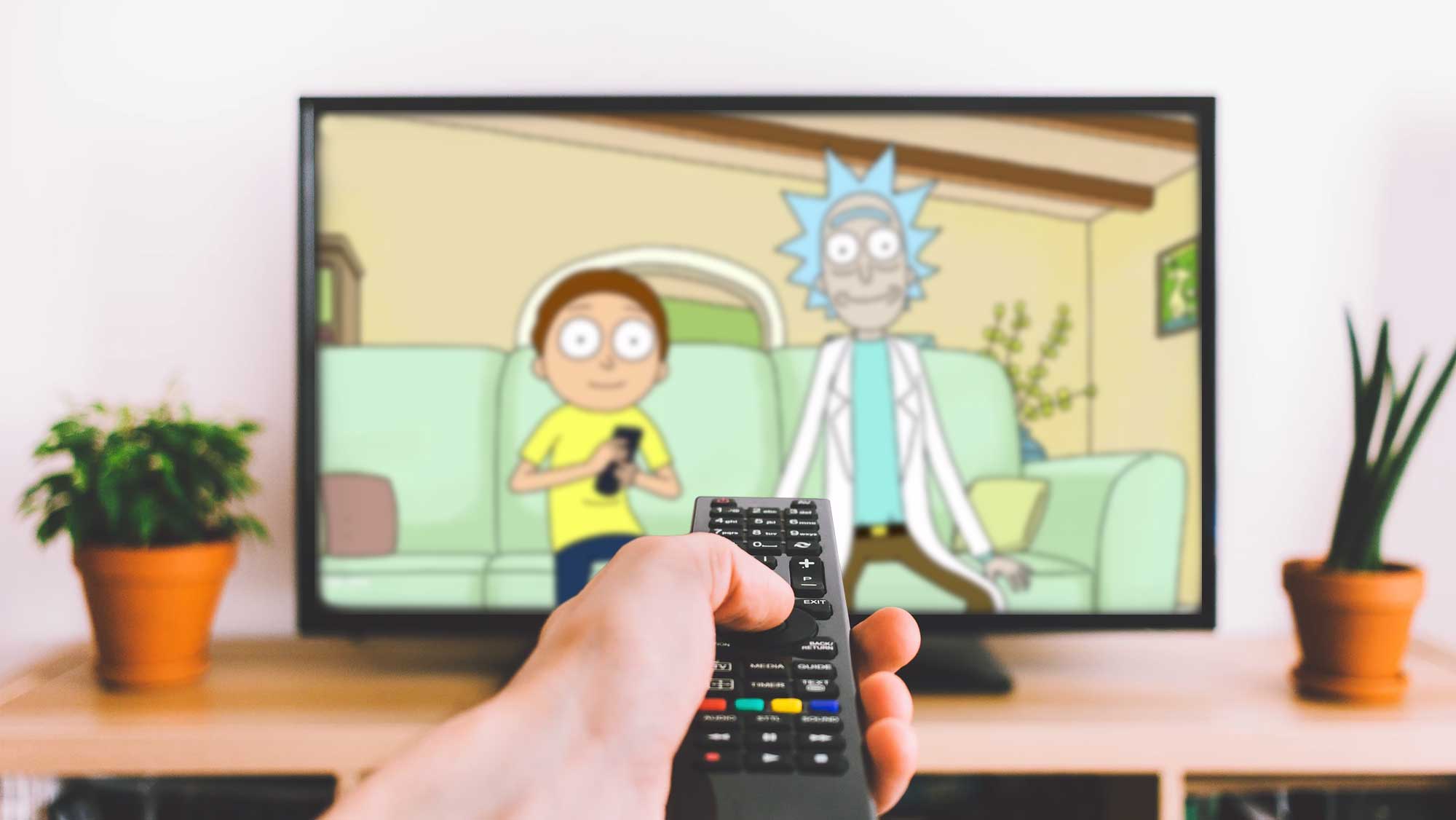
The short clip features an AI-generated Donald Trump sporting lab gear reminiscent of mad scientist Rick Sanchez, lecturing a wide-eyed animated JD Vance before stepping into a glowing tear in reality. Their mission: confronting a robotic iteration of Senate Minority Leader Chuck Schumer, whose animated eyes flash red as synthetic voice synthesis mimics his floor speeches. Within hours, the upload amassed tens of millions of impressions, demonstrating how fast institutional decorum can be subordinated to weaponized online aesthetics.
📌 Key Takeaways:
- The Controversy: An official digital release deployed an Adult Swim style animation featuring Donald Trump and JD Vance facing a robotic Chuck Schumer.
- The Method: The short relied on commercially accessible generative video and voice-cloning engines rather than professional human animators.
- The Fallout: Intellectual property attorneys, political analysts, and animation fans raised fierce objections regarding copyright fair use and the degradation of executive communications.
Inside the Bizarre Clip: Portals, Populism, and a Mechanical Chuck Schumer
The video wastes no time establishing its visual targets. Built using generative tools tuned to replicate the thick line work, pupil scribbles, and washed neon backgrounds popularized by Dan Harmon and Justin Roiland, the clip shows a swaggering, animated Trump barking directives at a bewildered cartoon JD Vance. The duo strides across an alien wasteland coded to resemble Washington, D.C., complete with crumbling neoclassical columns and bureaucratic drones.
The centerpiece of the short arrives when the cartoon figures encounter the Chuck Schumer robot. Fitted with clunky chassis plates, the mechanical senator emits garbled procedural objections and whirs loudly before short-circuiting under a flurry of rapid-fire Trump one-liners. While Trump campaign surrogates celebrated the post as a masterclass in anti-establishment irreverence, media watchdogs expressed alarm at an executive entity distributing synthetic media that borders on algorithmic libel.
Independent verification confirmed that the audio was created through synthetic voice-cloning software trained on past political rallies and press conferences. The cadence is unmistakably stilted. Glitches in the temporal coherence, flickering fingers, sudden shifts in jacket textures, and drifting eye positions, signal standard consumer-grade AI video models rather than studio animation.
The Creator Fallout: Adult Swim Aesthetics Co-opted by Official Channels
Borrowing the creative DNA of a major television property without licensing permission immediately crossed legal and cultural tripwires. Industry animators quickly flagged that the video lifts character design frameworks, sound design accents, and kinetic comedic pacing directly from the Warner Bros. Discovery hit. Animators on Reddit and X voiced frustration that an intellectual property built over a decade by hundreds of union artists was flattened into an automated political stunt.
Warner Bros. Discovery has not yet filed formal trademark or copyright infringement notices in federal court. However, IP litigators point out that while satire enjoys broad protection under the First Amendment, the use of proprietary art styles by government accounts creates murky legal territory. When government platforms deploy aesthetic copies to demean specific elected officials, the standard corporate defense of "transformative fair use" faces intense judicial skepticism.
The video follows years of tense relationship dynamics around the franchise itself. The original creators historically leaned left or favored cynical apoliticism, often mocking partisan loyalty on both ends of the spectrum. Seeing that voice co-opted to promote executive power struck longtime series viewers as deeply surreal.
Campaign Weaponization: How the 2026 MAGA Digital Strategy Embraced Generative Video
The cartoon is no isolated creative experiment. It represents a deliberate evolution inside modern conservative media production. Rather than commissioning traditional high-cost commercial agencies, strategists have shifted budget allocations toward rapid-reaction digital units using text-to-video platforms to churn out topical memes in under three hours.
| Campaign Metric | Traditional Campaign Video (2020, 2022) | Generative AI Parody Model (2025, 2026) |
|---|---|---|
| Turnaround Speed | 48, 120 hours | 2, 6 hours |
| Average Production Cost | $25,000, $80,000 | $150, $600 (Software compute) |
| Primary Distribution Target | Linear broadcast & YouTube preroll | Short-form vertical feeds (TikTok, X, Reels) |
| Audience Demographics | Voters aged 45+ | Younger male internet subcultures (18, 34) |
| Legal Liability Profile | Standard FEC disclaimers required | Unresolved fair use & deepfake labeling gray zones |
The metrics underline why communications teams run these risks. The generative approach bypasses union voice actors, screenwriters, storyboard artists, and post-production houses. An operational staffer with an enterprise subscription to an image synthesizer, an open-source voice cloner, and a temporal motion diffuser can assemble a viral asset before the mainstream news cycle finishes morning editorial calls.
Copyright Law and Fair Use Collide in Generative Political Parody
The legal framework surrounding synthetic political animation remains unsettled. In traditional broadcast advertising, parody requires noticeable distinction and transformation. With generative models, however, the underlying training data itself often consists of thousands of scraped frames from the very intellectual property being mimicked.
Legal scholars point to the Supreme Court's ruling in Andy Warhol Foundation for the Visual Arts, Inc. v. Goldsmith as a cautionary signal. If an AI video repurposes copyrighted aesthetic expression for an instrumental, commercial, or partisan objective that mimics the original's entertainment value, fair use protections thin out significantly. By publishing from an official institutional hub, the creators also blur the line between a candidate's personal speech and state-sponsored messaging.
Platforms like YouTube and Meta have implemented mandatory synthetic media tags, yet these disclaimers did little to stem distribution. Millions watched ripped screen recordings that stripped watermarks entirely. By the time regulatory compliance officers flag synthetic political cartoons, the algorithmic utility of the post has already peaked.
Deepfake Fatigue and Voter Sentiment Across the Political Spectrum
Public reception of the stunt reveals a widening gap in how voters consume political messaging. Base supporters flooded comment sections with praise, viewing the clip as irreverent mockery of Washington rituals. For them, turning Chuck Schumer into a glitching automaton reinforces familiar populist narratives about out-of-touch party leaders operating on autopilot.
Independent voters and media ethics watchdogs reacted with deep skepticism. Critics highlighted that official state platforms previously adhered to higher communication standards, avoiding the tone of anonymous online forums. Flooding the information ecosystem with hyper-casual deepfake cartoons dulls the public's ability to distinguish authentic policy announcements from digital theater.
Animation community members organized online protest threads, urging entertainment guilds to demand federal protections against model developers scraping proprietary art styles. For creative workers, the spectacle of a political movement utilizing their uncredited aesthetic signatures to mock legislative opponents felt like insult added to automated injury.
Frequently Asked Questions (FAQ)
Q1: Did the official creators of Rick and Morty authorize the White House video?
No. Adult Swim, Warner Bros. Discovery, and series co-creator Dan Harmon did not authorize, sponsor, or consult on the animation. The clip was generated using third-party artificial intelligence engines instructed to imitate the show's signature visual style.
Q2: Is publishing AI-generated cartoons of sitting politicians illegal?
Political parody and caricature carry extensive protections under the First Amendment. However, the legal status depends on copyright infringement claims regarding visual style theft, likeness rights, and state-level laws governing deceptive synthetic media during active election cycles.
Q3: What specific AI tools were used to make the video?
While the communications team did not release a technical software log, digital forensics indicate a pipeline combining open-source voice cloning algorithms with latent diffusion video generators capable of style-transfer prompting.
The Next Frontier of Algorithmic Campaign Warfare
The uproar over the animated parody marks a structural shift in how national campaigns approach digital attention. Substance and policy dossiers yield few clicks in an ecosystem ruled by short-form feeds. By trading conventional press briefings for cartoon portals, communications directors are betting that absurdity generates higher voter engagement than institutional decorum.
This dynamic ensures that synthetic parodies will multiply rather than disappear. As text-to-video tools become faster and cheaper, campaigns of every ideological stripe will face irresistible incentives to deploy cartoon surrogates against their rivals. The consequence is an information environment where political discourse sounds less like constitutional debate and more like a never-ending, automated late-night programming block.
