Why Do Black Women Wear Wigs? The Real Reason Is Not What You Think
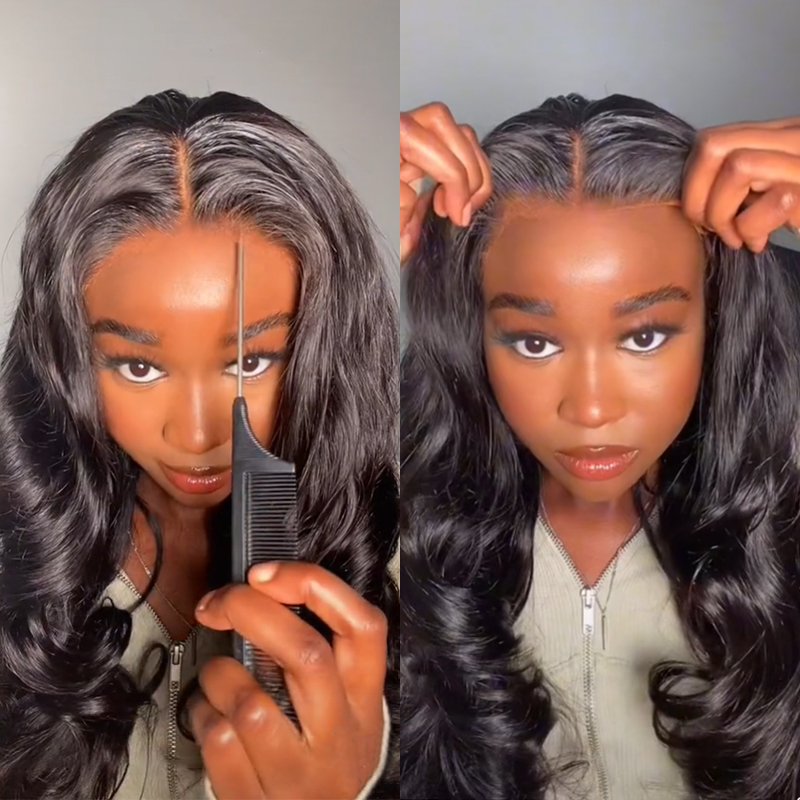
Outside observers routinely misunderstand the relationship between Black women and their hair. When professional wrestler Jade Cargill spoke with EBONY Magazine about her rotating neon and platinum hairstyles, she drove home a simple truth: Black women owe nobody an apology or an explanation for their styling choices. Public commentary still clings to obsolete assumptions that wigs signal insecurity or a desire to conform to European beauty ideals. A cultural critique published in The Tiger's Roar Report traced how Black women navigate unequal social reception when wearing wigs compared to box braids, exposing the persistent external scrutiny directed at Black presentation.
Wigs are not a disguise. For millions of women, they represent an intricate blend of time management, advanced cosmetic engineering, and creative autonomy.
📌 Key Takeaways:
- The Practical Priority: Wigs function as high-efficiency protective styling, guarding fragile coils against daily friction and heat damage prevention protocols.
- Creative Sovereignty: Modern lace front wigs and human hair bundles provide radical hair texture versatility without forcing women to alter their natural curl pattern.
- The Autonomy Shift: Contemporary wig culture thrives in parallel with the natural hair movement rather than in opposition to it, treating hair as personal adornment rather than a political concession.
From Enforced Conformity to Deliberate Style Autonomy
Black hair has faced regulatory policing for centuries. Enacted in 1786, the Louisiana Tignon Laws legally forced Creole and Black women to cover their hair with cloths to curb their social visibility. Throughout the twentieth century, obtaining employment often required Black women to chemically alter their curls with harsh sodium hydroxide relaxers to mirror Eurocentric corporate standards. Straight hair functioned as an economic passport.
That dynamic shifted decisively over the past two decades. The resurgence of the natural hair movement prompted millions of women to cut away relaxed ends and embrace their tight coils. Yet, as cultural coverage in InStyle pointed out, returning to natural roots did not mean abandoning alternative styling. Wigs evolved from an instrument of forced workplace camouflage into an intentional tool of expression.
Choosing a wig today is an aesthetic decision comparable to selecting an outfit. A woman might step out in a bone-straight bob on Tuesday, transition to honey-blonde waves on Thursday, and wear her untreated afro on Sunday morning. This fluid movement across styles demonstrates hair versatility on individual terms, rendering outside judgments about "authenticity" obsolete.
The Labor Equation: Why 4C Hair Demands Tactical Protection
Tight kinky and coily patterns, particularly type 4C hair, possess an elliptical cross-section and fewer protective cuticle layers than straight strands. Sebum produced by the scalp struggles to travel down the tight z-shaped angles of each hair shaft, leaving the ends prone to chronic dryness and mechanical breakage.
A thorough wash day for 4C hair involves detangling, deep conditioning, protein treatments, tension blow-drying, and precision styling. The process frequently demands three to five hours of concentrated physical effort. Subjecting tight coils to hot flatirons every morning invites permanent heat damage, destroying the natural elasticity of the strand.
Wigs offer an effective time-saving routine. By securing natural hair beneath a flat braid down or a low-friction wig cap, wearers shield their natural strands from environmental stressors, dry indoor heating, and daily manipulation. The hair rests undisturbed, retaining moisture while the outer piece absorbs environmental wear and tear.
Braids vs Wigs: Mechanical Tension and Investment Realities
Protective styling is not a monolithic category. Women regularly weigh the benefits of long-term braided styles against removable units, balancing maintenance costs, physical comfort, and scalp safety.
| Styling Method | Time Investment | Scalp & Tension Profile | Typical Cost Range (2024, 2026) |
|---|---|---|---|
| Glueless Lace Front Wigs | 5, 15 minutes daily wear; units last 12, 24 months | Zero constant pulling; full nightly access to the scalp | $250, $800 initial investment |
| Traditional Sew-in Weaves | 2, 4 hours installation; lasts 6, 8 weeks | Moderate localized tension along foundational cornrows | $300, $600 per install (bundles extra) |
| Knotless Box Braids | 5, 8 hours installation; lasts 4, 8 weeks | Evenly distributed tension; limited deep-cleansing access | $200, $450 per installation |
As highlighted in Glamour South Africa's deep dive into natural hair debates, neither option holds moral superiority over the other. Braids require continuous weight hanging from the root follicle for weeks at a time. High-quality human hair bundles built into glueless lace front wigs can simply be taken off before bed, letting the scalp breathe freely while preserving the user's natural curls underneath.
The Double Standards Surrounding Black Hair Modification
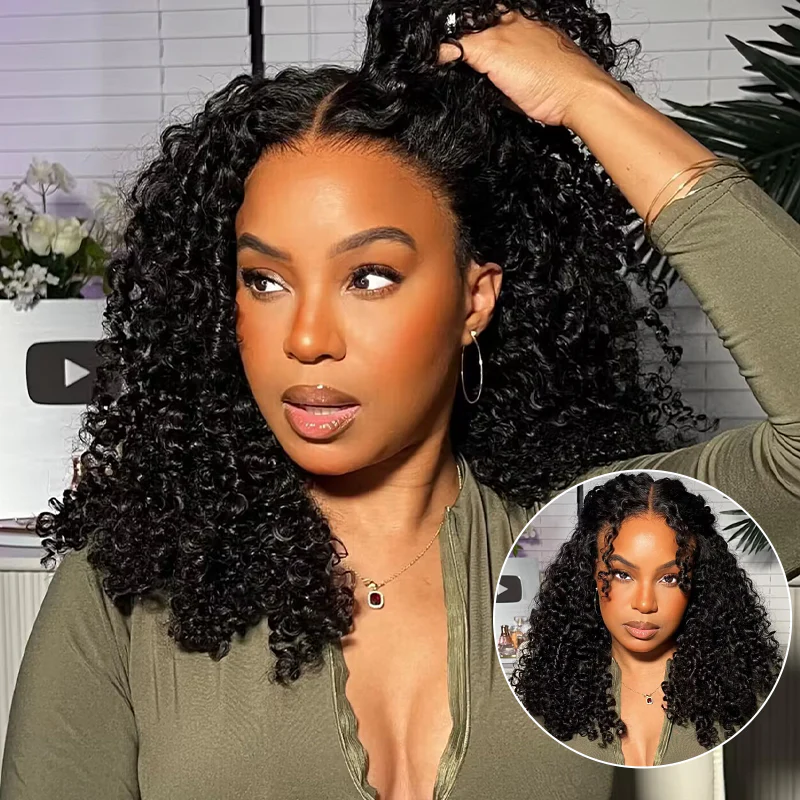
When celebrity figures like the Kardashian family, Lady Gaga, or Katy Perry switch hair colors and lengths overnight, pop culture praises their artistic evolution. By contrast, when a Black woman wears a straight wig or an icy-blonde unit, critics often claim she is rejecting her racial identity.
This double standard ignores global hair traditions. Wealthy women throughout ancient Egypt shaved their heads and wore elaborate wigs constructed from human hair and plant fiber to prevent lice and ward off blistering desert heat. Wigs signaled power, divinity, and social status.
In a notable essay for AFRO News, commentators stressed that Black styling practices belong to the community that created them, pushing back against the commodification and surveillance of their aesthetic choices. Modern wig craftsmanship, from single-knot bleached lace to custom HD cap construction, is an artisanal skill. Elevating hair texture versatility through wigs is not an act of assimilation; it is an assertion of fashion authority.
Scalp Health, Edge Control, and Avoiding Mechanical Damage
While wigs excel as protective barriers, improper wear brings distinct physical risks. The widespread use of heavy adhesive sprays and liquid glues to affix lace fronts can lead to contact dermatitis or mechanical breakage along the hairline.
The peril lies in mismanaging edge control and tension. Baby hairs styled with alcohol-based edge gels and pulled repeatedly under tight elastic bands face persistent friction. Over years, this friction can induce traction alopecia, localized follicular scarring that permanently arrests hair growth along the temples.
Experienced stylists advocate for glueless construction systems. Securing units with silicone-grip bands or adjustable velvet caps removes chemical adhesives entirely from the equation. Natural hair underneath must be taken down every two to three weeks for clarifying shampoos, scalp hydration, and botanical oil treatments. When executed with proper care, protective styling reliably accelerates length retention and maintains scalp health and growth.
Frequently Asked Questions (FAQ)
Q1: Do wigs cause hairline damage or thin the edges?
A1: Hair damage occurs from mechanical friction or adhesive misuse, not the wig itself. Using harsh bonding glues, ripping lace off without dedicated oil removers, or pulling units too tightly against the forehead causes traction alopecia. Glueless wigs featuring adjustable velvet bands protect the perimeter and eliminate these risks.
Q2: Does wearing straight wigs contradict the natural hair movement?
A2: No. The natural hair movement centers on bodily sovereignty and rejecting mandatory chemical alteration. Wearing straight or colored wigs allows women to enjoy dynamic looks without permanently changing their natural curl pattern or relying on damaging relaxers.
Q3: How should natural hair underneath a wig be cared for?
A3: Natural hair braided beneath a wig still requires hydration. Spritz the cornrows several times a week with water and light leave-in conditioners. The unit should be removed before sleeping, and the braided base must be washed, deep-conditioned, and re-braided every two to four weeks to prevent product buildup and scalp inflammation.
Hair Sovereignty in the Modern Era
The ongoing fascination with why Black women wear wigs stems from a fundamental misunderstanding of agency. Hair is not static. For Black women, personal styling exists as an expansive design landscape spanning intricate braids, shaven crowns, flourishing 4C afros, and impeccably melted lace front wigs.
Wigs provide practical freedom: the freedom to protect delicate strands from heat damage, the freedom to save precious morning hours, and the freedom to change aesthetics on a whim. The modern wig market represents neither self-effacement nor cultural concession. It stands as an undeniable declaration of personal choice, aesthetic mastery, and uncompromised control over one's own crown.
