Why Doofenshmirtz Evil Incorporated Is Popping Up on College Campuses
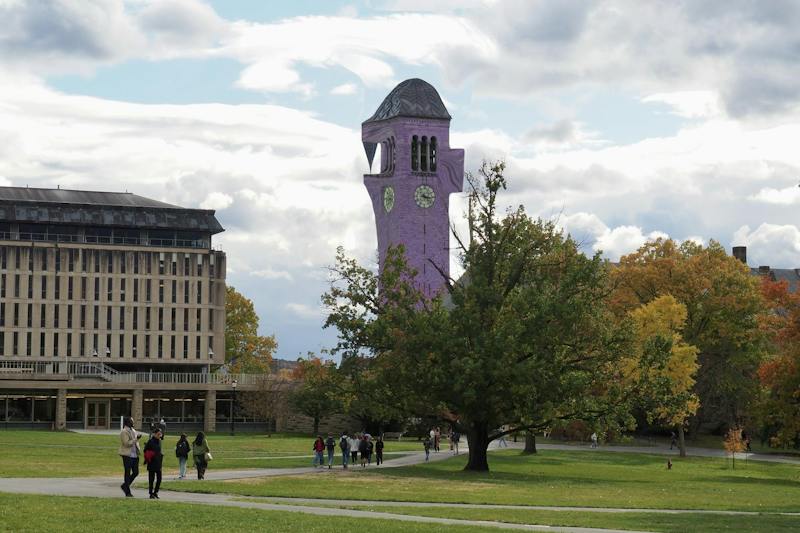
Spring recruitment season on major American campuses is notorious for high-stakes anxiety, sea-of-black-suit career expos, and aggressive pitches from private equity and management consulting firms. In April 2026, however, Ivy League flyers promised something entirely different: entry-level engineering roles designing self-destructing industrial lasers, unpaid internships conquering the Tri-State Area, and competitive health plans covering accidental platypus-inflicted trauma. According to The Cornell Daily Sun Report published during its annual satirical cycle on April 19, 2026, Dr. Heinz Doofenshmirtz was officially bringing Doofenshmirtz Evil Incorporated to campus to scout fresh technical talent.
What began as a student newspaper joke issue spoofing high-pressure corporate job fairs struck an immediate nerve across higher education. Within days, copycat flyers, guerilla marketing stunts, and four-note audio pranks mimicking the classic cartoon jingle spread to engineering halls from Cambridge to Ann Arbor. The collegiate craze revealed how a quirky children's television trope grew into Gen Z’s most durable vehicle for skewering the corporate hiring machine.
📌 Key Takeaways:
- The Spark: A viral April 19, 2026 satire article by The Cornell Daily Sun reported that Doofenshmirtz Evil Incorporated was hosting an on-campus recruitment drive, complete with perks like Tri-State conquest bonuses and self-destruct button hazard pay.
- The Cultural Driver: College students navigating a grueling corporate hiring market repurposed Dan Povenmire’s beloved Phineas and Ferb antagonist to mock ruthless corporate recruiting, tech layoffs, and absurd job descriptions.
- The Wider Footprint: The Cornell gag triggered coordinated campus pranks nationwide, featuring fake career fair booths, QR codes blasting the iconic jingle in dining halls, and stealth placements of fedora-wearing plush platypuses.
The Cornell Prank That Ignited Campus Recruitment Satire
Every April, student newsrooms across the country print parody editions to break the tension of final exams and post-graduation panic. The Cornell Daily Sun tapped into peak campus exhaustion when its editorial staff ran a full-page scoop detailing an upcoming information session hosted by Dr. Heinz Doofenshmirtz himself. The piece framed the fictional mad scientist as a marquee employer offering "one hundred and four days" of summer programming, competitive stock options in dubious coastal real estate, and rapid career progression in automated chaos engineering.
Campus bulletin boards filled up almost overnight with meticulously typeset corporate flyers. Designed to look identical to brochures from Lockheed Martin, Palantir, and Goldman Sachs, the posters featured sleek corporate branding, purple-and-green color schemes, and bullet points seeking "junior engineers capable of installing large red self-destruct buttons in easily reachable locations." QR codes affixed to library tables did not route to Handshake or LinkedIn; they redirected phones to high-decibel loops of the signature vocal jingle: Doofenshmirtz Evil Incorporated!
How Disney Channel Nostalgia Built a Corporate Parody
When animator Dan Povenmire and co-creator Jeff "Swampy" Marsh debuted Phineas and Ferb on Disney Channel in 2007, they built Dr. Heinz Doofenshmirtz as a comically incompetent middle manager of menace. He was divorced, plagued by childhood trauma involving garden gnomes, hopelessly bureaucratic, and chronically incapable of building machinery without glaring design flaws. For children growing up between 2007 and 2015, his voice was ubiquitous.
By 2026, those same viewers are finishing bachelor's degrees and staring down entry-level jobs characterized by ghost job listings, automated AI resume screenings, and corporate doublespeak. Doofenshmirtz Evil Incorporated offers the perfect counter-narrative. The fictional conglomerate does not pretend to make the world a better place through synergy or disruptive cloud architecture. Its sole objective is pettiness, territory acquisition, and mild property destruction across the Tri-State Area. In a job climate where students feel alienated by corporate posturing, an overt supervillain with a catchy musical tag feels remarkably honest.
Campus Inator Pranks: From Dorms to Career Expos
The Cornell stunt did not occur in a vacuum. It was the culmination of three years of escalating student newspaper spoofs, Reddit threads, and engineering school pranks aimed at corporate recruitment culture.
| Campus & Date | Satirical Stunt | Target of the Parody |
|---|---|---|
| Cornell UniversityApril 2026 | Mock recruiting event published in The Sun; physical corporate flyers placed across engineering quadrangles. | High-pressure defense contractor and quantitative finance recruiting cycles. |
| Georgia TechOctober 2025 | Robotics students entered a cardboard "Deflat-inator" into an autonomous systems design showcase. | Venture capital buzzwords and overhyped early-stage hardware pitches. |
| UC BerkeleyFebruary 2025 | Guerrilla placement of Perry the Platypus plushies dressed in security uniforms outside campus tech hubs. | Corporate surveillance culture and non-disclosure agreements. |
| MITApril 2024 | Hackers broadcast the four-note evil jingle over an automated campus bell tower system during midterm week. | Institutional stress and academic performance pressures. |
Why Students Choose Dr. Doofenshmirtz Over Wall Street
Collegiate humor reflects collective anxieties. Between 2023 and 2026, entry-level hiring across technology, banking, and white-collar consulting contracted significantly. According to national labor data, college graduates faced an average job hunt duration exceeding five months, with entry-level computer science majors experiencing offer cancellation rates near 14%. Students who spent four years polishing resumes to please algorithmic gatekeepers found themselves disillusioned.
Mocking those firms by creating polished collateral for a slapstick cartoon company serves as catharsis. Dr. Doofenshmirtz is famous for his endless catalog of "-inator" devices: the Melt-inator, the Shrink-inator, the Forget-About-It-inator. Every device carries an enormous red self-destruct switch, and every plan fails predictably within eleven minutes of television runtime. today tech giants launch high-profile products only to shutter them months later and lay off thousands, students view Doofenshmirtz’s flawed engineering as uncomfortably familiar.
"Applying to six rounds of asynchronous video interviews to write code for ad targeting feels absurd," wrote one Cornell senior in a campus discussion forum following the joke edition. "At least Doofenshmirtz Evil Inc. gives you hands-on hardware experience building a giant magnet to ruin his brother’s ribbon-cutting ceremony. The job responsibilities are clear."
The Cultural Staying Power of Dan Povenmire’s Universe
Few animated properties survive the leap from Saturday morning cable to collegiate counterculture. The longevity of Phineas and Ferb is largely driven by co-creator Dan Povenmire's direct engagement with online audiences. Povenmire built an audience of over seven million followers across social platforms by singing fan-requested lines, performing the iconic character voice, and openly encouraging student parodies.
Unlike entertainment studios that deploy copyright strikes against student parodies, the show's creative leadership has treated college meme culture as a living extension of the series. When students film mock interviews in lab coats arguing with stoic peers dressed as Perry the Platypus, they are not just indulging in nostalgia. They are using an established, universally understood comedic language to cope with the transition into adulthood.
Frequently Asked Questions (FAQ)
Q1: Was there a real company called Doofenshmirtz Evil Incorporated hiring at Cornell?
A: No. The report originated as part of The Cornell Daily Sun’s annual satirical issue published on April 19, 2026. The piece was entirely fictional, functioning as a parody of rigorous campus recruiting drives run by corporate employers.
Q2: Why is Doofenshmirtz Evil Inc. trending on college campuses in 2026?
A: Gen Z college students grew up watching Phineas and Ferb and have adopted the show's tropes to satirize competitive corporate recruiting, intense engineering workloads, and tech-industry burnout through viral flyers, mock resumes, and social media videos.
Q3: What are the main elements featured in these college pranks?
A: The most common stunts include fake corporate recruitment brochures, audio hacks playing the Doofenshmirtz Evil Incorporated jingle over lecture hall sound systems, engineering projects styled as "-inators," and covert placements of Perry the Platypus mascots around campus administrative buildings.
What Campus Satire Tells Us About the Next Workforce
Collegiate fads usually burn out over a single semester, but the fascination with Dr. Heinz Doofenshmirtz has persisted because it is rooted in deep structural skepticism. Today's graduating seniors watched older peers jump through endless recruitment hoops only to face unprecedented industry volatility. By plastering cartoon supervillain recruitment posters over corporate hiring boards, students are expressing their refusal to take the corporate grind entirely seriously.
The enduring popularity of Doofenshmirtz Evil Incorporated is more than simple affection for twenty-year-old Disney Channel reruns. It is a shared generational coping mechanism. As long as career fairs demand performative perfection from exhausted students, someone will be waiting in the back row with a cardboard box, a red self-destruct button, and a dream of taking over the Tri-State Area.
