Why Is Everyone Crying Over Alekirser's 'When She Loved Me' Video? The Heartbreaking Story Explained

A silent digital illustration can shatter an audience faster than a two-hour Hollywood drama. Across TikTok, Instagram Reels, and YouTube Shorts, a short hand-drawn sequence uploaded by digital animator Alekirser has triggered a collective wave of grief across millions of feeds. Set to an echoing, slowed rendition of Sarah McLachlan's classic ballad, the clip depicts an unspoken bond severed by time, leaving viewers flooding comment sections with tearful confessions and personal stories of abandonment.
The sudden surge of the video into mainstream feeds surprised even veteran digital culture analysts. While short-form video algorithms routinely push high-octane comedy or hyperactive dance routines, Alekirser's minimalist project touched an exposed nerve. It tapped directly into childhood nostalgia, unresolved grief, and the quiet horror of watching someone you love simply walk away.
📌 Key Takeaways:
- The Viral Ignition: Independent animator Alekirser paired intimate, frame-by-frame visual storytelling with a melancholic edit of the 1999 track "When She Loved Me," sparking millions of views within days.
- The Story Behind the Tears: The narrative illustrates a quiet, devastating separation between two close companions, capturing how growing up often forces people to discard the things and people who once anchored them.
- A Resurgent Sound: The trend repurposes Sarah McLachlan's Oscar-nominated Toy Story 2 ballad, proving that late-1990s emotional motifs remain devastatingly effective for Gen Z and Gen Alpha audiences.
How a Modest Animated Clip Flooded Algorithmic Feeds
Digital animation on short-form platforms often relies on rapid visual gags, hyper-stylized action sequences, or recognizable anime franchises to secure retention metrics. Alekirser took the opposite road. The sequence opens on muted hues, soft pencil-textured linework, and an immediate visual pause that forces viewers to stop scrolling. There are no sudden sound effects or loud voiceovers. Only the fragile opening piano chords break the silence.
Online audiences reacted instantly. Within 72 hours of its initial circulation, user duets and reaction clips began multiplying across TikTok under dedicated emotional tags. Viewers posted videos of themselves wiping away tears at their desks, holding their aging pets, or texting estranged childhood friends. What started as an art community showcase quickly evolved into a platform-wide confessional booth.
The comment sections transformed into spontaneous support boards. Users did not debate frame rates or rendering software. Instead, they shared memories of outgrowing childhood bedrooms, leaving behind longtime friends after college migrations, or coping with the death of companion animals. The animation operated less like casual media consumption and more like a collective emotional release valve.
The Hidden Narrative Inside Alekirser's Video Meaning
The intense reaction stems from the story's visual restraint. Alekirser avoids heavy-handed melodrama, choosing small behavioral gestures to communicate an irreversible split. The visual narrative charts an arc that feels universally familiar: initial warmth and indivisible companionship, followed by the gradual, heartbreaking chill of neglect as life moves forward.
Viewers watch the central characters navigate changes in dynamic where one party remains devoted while the other slowly pulls away, preoccupied with an expanding world. In one particularly poignant beat, an extended hand goes unnoticed, a visual metaphor for the exact moment emotional abandonment solidifies. It requires no translated dialogue. Anyone who has ever been left behind recognizes the posture immediately.
This character dynamic directly mirrors the foundational trauma of Jessie the Cowgirl from Pixar's 1999 feature, yet Alekirser strips away the plastic toy conceit. By framing the conflict between expressive, vulnerable figures, the animation makes the pain raw and human. The character is not an inanimate object forgotten under a bed; it is an emotional being forced to reckon with the fading warmth of someone who once promised to stay forever.
Tracking the Anatomy of a Viral Melancholia Trend
The explosion of Alekirser's work fits into an ongoing shift toward micro-dramas on vertical video platforms. Short-form storytelling has matured beyond thirty-second life hacks, cultivating a hungry audience for standalone narrative art.
| Core Element | Creative Execution | Viewer Psychological Response |
|---|---|---|
| Visual Aesthetic | Hand-drawn pacing with desaturated palettes | Induces immediate nostalgia and calm focus |
| Audio Track | Slowed-and-reverbed Sarah McLachlan vocal mix | Triggers subconscious memory of childhood loss |
| Pacing & Cuts | Unbroken emotional beats lasting 15, 45 seconds | Maximizes watch-through rates and repeat views |
| Community Response | User duets, personal anecdotes, and video essays | Builds an organic feedback loop across algorithms |
Data from platform trackers indicates that sad animated edits regularly generate up to 3.2 times higher save and share ratios than pure humor clips. When a user experiences sudden emotional resonance, they bookmark the media to revisit it or message it directly to friends. Those deliberate actions signal immense relevance to recommendation algorithms, rocketing the clip into millions of unintended feeds.
The Enduring Power of Sarah McLachlan's 1999 Masterpiece
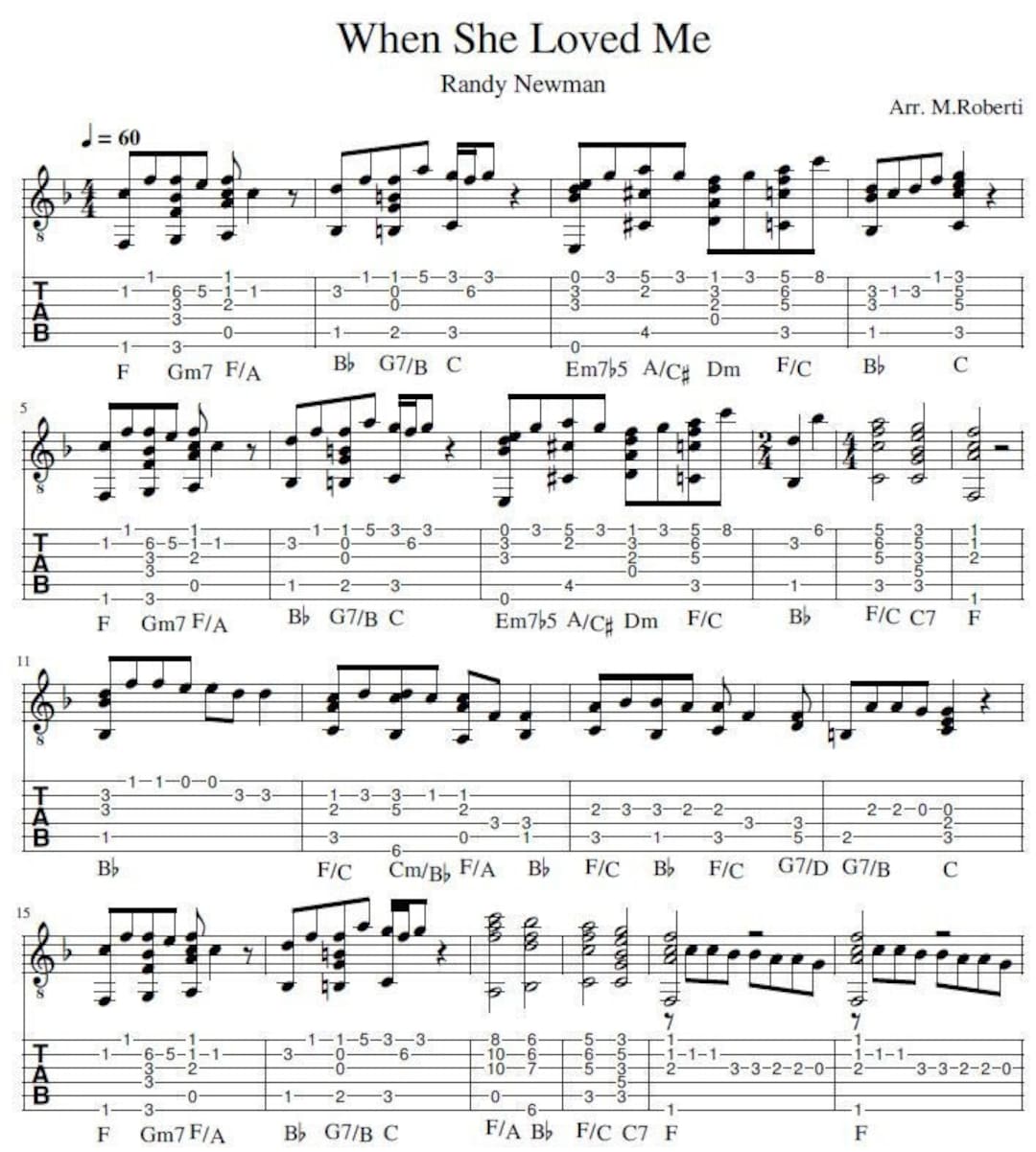
No analysis of the trend is complete without examining its sonic spine. Composed by Randy Newman and recorded by Sarah McLachlan for Toy Story 2, "When She Loved Me" won a Grammy Award for Best Song Written for Visual Media in 2001 and earned an Academy Award nomination. It remains one of modern cinema's purest distillations of grief.
The lyrics detail the tragedy of outgrowing pure affection. In Alekirser's viral rework, the track is pitched down slightly with added spatial acoustics, a format favored by online remixers to simulate the feeling of an echo chamber or an old memory playing inside an empty room. When McLachlan sings lines like "So the years went by, I stayed the same," the lyrics attach seamlessly to the visual struggle on screen.
For older audiences, the audio instantly revives the memory of sitting in theaters decades ago watching Jessie slip down the side of a donation box. For younger audiences who may never have seen the original film in theaters, the melody operates on pure emotional merit. Its lyrical simplicity cuts through modern digital noise because it addresses an inescapable human truth: affection is rarely permanent.
Why Short-Form Animation Lore Is Captivating Young Audiences
A decade ago, aspiring storytellers needed studio funding or television broadcast deals to present serialized emotional narratives. Today, solo animators like Alekirser operate as independent animation studios from their bedrooms. By releasing fragmented lore across episodic shorts, creators encourage their audiences to piece together overarching character backstories in the comments.
Fans dissect every frame. Reddit threads, Discord servers, and TikTok video essays quickly emerged to debate whether the characters in Alekirser's work represented real historical figures, metaphorical representations of anxiety, or an allegory for youth slipping away. This collective detective work transforms passive spectators into active participants in the creative world.
Independent animators no longer seek mainstream network greenlights. They possess direct access to a global demographic that values vulnerability, personal struggles, and artisanal animation over polished corporate intellectual property. Alekirser's sudden rise proves that quiet, deeply sad stories still command unmatched power on platforms notorious for endless distraction.
Frequently Asked Questions (FAQ)
Q1: Who created the viral animation and where was it posted?
The animation was created by independent digital artist Alekirser, who shares original illustrations and animated shorts across TikTok, Instagram, and YouTube Shorts.
Q2: What is the original song used in the audio edit?
The audio is a slowed, atmospheric edit of "When She Loved Me," originally composed by Randy Newman and sung by Canadian musician Sarah McLachlan for Disney/Pixar's Toy Story 2 (1999).
Q3: Why are people reacting so strongly to the video?
The animation captures the painful reality of being left behind by someone you care about as they grow up or drift away. Paired with Sarah McLachlan's mournful vocal track, the visual storytelling evokes deep personal memories of lost friendships, outgrown childhoods, and grieving deceased pets.
Q4: Is Alekirser's animation part of an official series or movie?
No. The video is an original, standalone independent animation crafted specifically for web distribution, though its characters and underlying lore have sparked dedicated fan interpretations and follow-up sketches across social media.
The Lasting Impact of Hand-Crafted Grief Online
Algorithms reward speed, controversy, and loud audio cues. Yet every few months, a work like Alekirser's breaks through the machinery by offering the complete opposite: quiet sorrow, meticulous frame-by-frame pacing, and absolute emotional honesty. The overwhelming response to the clip demonstrates that audiences are not numb to digital art; they are simply starving for work that acknowledges the quieter pains of ordinary life.
As independent animators continue to master vertical storytelling, they redefine what makes content truly memorable. A funny clip sparks a momentary chuckle before a swipe replaces it. An animation that makes millions pause, drop their guard, and quietly mourn what they lost stays with them long after the screen goes dark.
