Why the Blue Hawaiian Is Officially Back: The Vacation Drink Food Critics Can No Longer Ignore
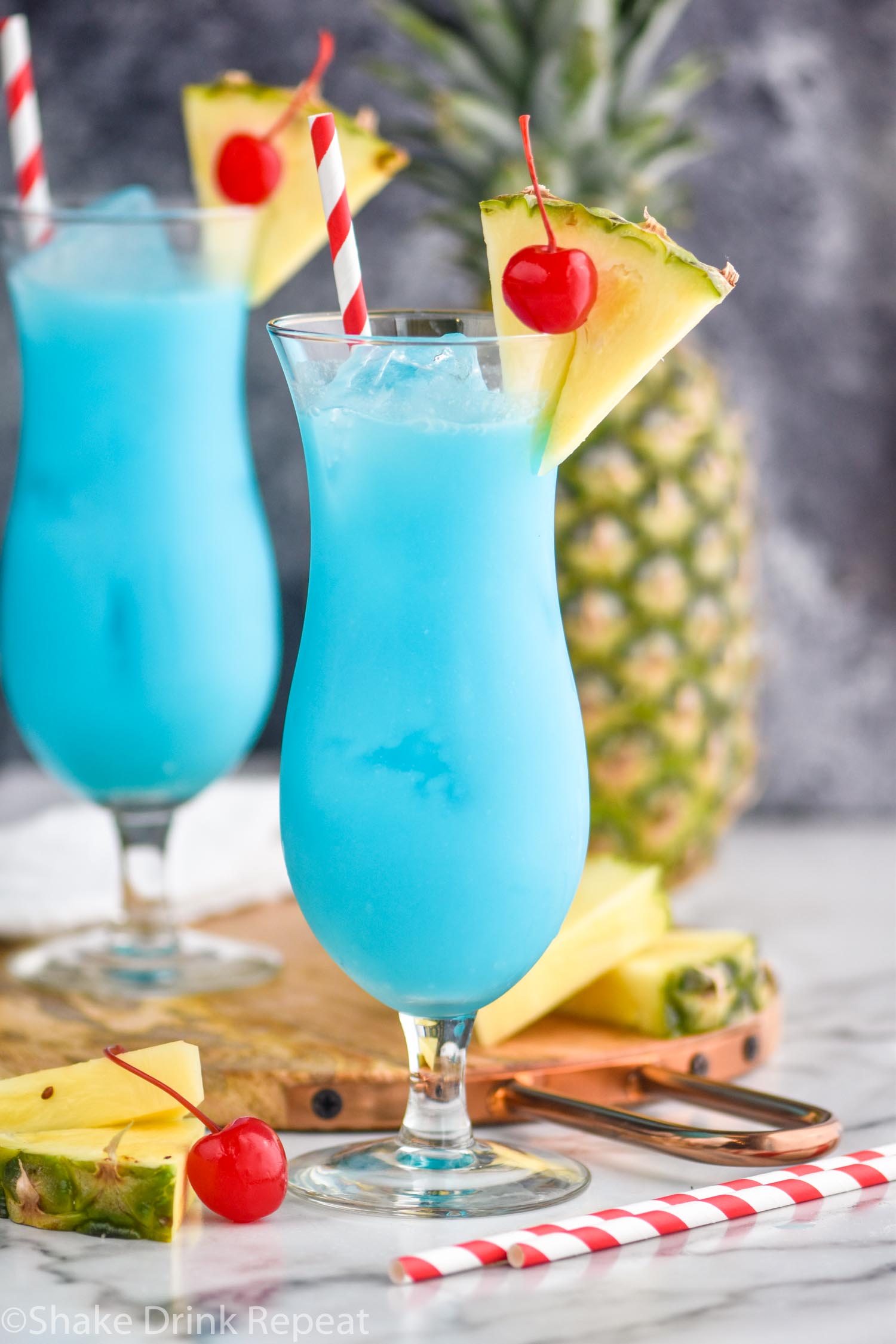
For decades, craft mixology treated electric blue drinks as kitsch artifacts from an era best forgotten. Upscale cocktail dens banished neon spirits, sneering at tourist-heavy resort menus dominated by synthetic syrups and unmeasured blenders. That puritanical stance has collapsed. Driven by a wave of mid-century tiki revivalism, bartenders have stopped apologizing for visual extravagance and started fixing the underlying architecture of long-maligned recipes. The drink leading this shift is the Blue Hawaiian, an ocean-toned, rum-based staple that modern drink programs are quietly retooling with fresh juices, premium distillates, and culinary balance.
The timing of this revival is no accident. As highlighted in a recent USA TODAY 10BEST Report on bartender-approved Hawaiian cocktails worth making before warm weather fades, serious beverage directors are celebrating the nuanced appeal of island mixology. The Blue Hawaiian, once treated as a throwaway beach order, delivers a remarkably rich textural canvas when prepared with discipline. Mastering it requires understanding its origins, calibrating its citrus acid against rich fats, and choosing ingredients that yield an electric, turquoise glow without descending into syrupy cloyness.
📌 Key Takeaways:
- The Core Identity: The Blue Hawaiian combines white rum, blue curaçao liqueur, cream of coconut, and pineapple juice into a velvety, tropical tiki cocktail.
- The Crucial Distinction: It is frequently confused with the 1957 Blue Hawaii, an older, clearer drink that relies on vodka, sweet and sour mix, and no coconut fat.
- The Technical Balance: Replacing sugary, low-proof blue cordials with genuine curaçao and cutting the cream of coconut with fresh, high-acid pineapple prevents the drink from turning heavy or overly sweet.
The Waikiki Origins and Harry Yee's Enduring Blueprint
Every discussion of cerulean drinks begins in Honolulu at the Kaiser Hawaiian Village Hotel (now the Hilton Hawaiian Village). In 1957, a sales representative for Dutch distiller Bols asked legendary head bartender Harry Yee to devise a cocktail featuring their blue-dyed orange liqueur. Yee delivered the Blue Hawaii, shaking light rum, vodka, sweet and sour mix, pineapple juice, and blue curaçao over cracked ice. It became an instant commercial juggernaut, capturing the jet-age fascination with Polynesian pop culture.
The Blue Hawaiian surfaced shortly after as an uncredited variation, directly influenced by the mid-1950s rise of the Piña Colada in Puerto Rico. Resort bartenders removed Yee’s vodka and sweet-sour formula, substituting canned cream of coconut. The switch yielded a thicker, creamier drink that functioned visually like a swimming pool in a hurricane glass. Because both drinks shared identical color palettes and nearly identical names, menus conflated them for half a century.
When mass-market cocktail programs exploded in the 1970s and 1980s, the recipe suffered. Venues swapped real coconut emulsions for powdered substitutes and replaced real pineapple with shelf-stable concentrates packed with high-fructose corn syrup. The drink earned a reputation as a cloying, hangover-inducing novelty. Rehabilitating it requires returning to Yee’s original hospitality standards while applying modern craft techniques.
Blue Hawaii vs. Blue Hawaiian: The Essential Distinction
Order a blue drink in ten different bars and you will likely receive ten different specs. The confusion persists because casual drinkers and bartenders treat the names interchangeably. Their underlying flavor profiles, however, occupy opposing ends of the tropical spectrum.
The Blue Hawaii is tart, light, and sharp. Its acid profile stems from citrus and sour components, while vodka dilutes the rum base to keep the drink lean. The Blue Hawaiian operates as an opulent dessert-adjacent cocktail. The inclusion of cream of coconut introduces medium-chain fatty acids that coat the palate, softening the alcohol burn and demanding high-acid pineapple juice to maintain structure.
| Structural Element | The Blue Hawaii (1957) | The Blue Hawaiian (Modern Spec) |
|---|---|---|
| Base Spirits | Light Rum & Vodka (Split base) | White Rum (Light Puerto Rican or blended) |
| Fat & Texture Component | None (Clear consistency) | Cream of Coconut (Emulsified, velvety) |
| Citrus & Modifiers | Sweet and Sour Mix, Blue Curaçao | Pineapple Juice, Lime Juice, Blue Curaçao |
| Glass & Ice Format | Collins or Hurricane over cracked ice | Hurricane glass, blended frozen or pebble ice |
| Visual Finish | Translucent sapphire blue | Opaque, creamy pastel turquoise |
Ingredient Chemistry: Why Blue Curaçao and Coconut Demand Calibration
The color of a Blue Hawaiian creates a technical hurdle. Blue curaçao liqueur is fundamentally a triple sec dyed with Brilliant Blue FCF (FD&C Blue No. 1). Distilled from the bitter, dried peel of Laraha oranges grown on the island of Curaçao, a high-grade bottling delivers dry citrus aromatics, orange peel oils, and mild warmth. Budget versions offer little more than food coloring suspended in sugar syrup.
When blue liqueur mixes with pale yellow pineapple juice, primary color theory takes over: blue plus yellow yields green. Without coconut cream, the drink veers into murky seafoam or swamp-water tones. The opaque white lipids in cream of coconut act as an optical diffuser. They suspend the color particles in a milk-like emulsion, reflecting light to produce an electric aqua tone.
Fat choice dictates your final mouthfeel. Coco Lopez, developed in 1948 by Don Ramón López-Irizarry at the University of Puerto Rico, remains the traditional benchmark for tiki purists. It combines canned coconut pulp with heavy cane sugar. Unsweetened coconut milk or culinary coconut cream will break inside the shaker, separating into watery liquid and curdled butterfat when it meets cold rum. Sticking to commercial or house-formulated cream of coconut keeps the fats stable in suspension.

The Foolproof Blue Hawaiian Recipe (Blended Frozen and Shaken Specs)
A successful pour balances richness against bright acidity. Standard specs often lean too heavily on canned juice, burying the rum entirely. This ratio maintains the spirit's backbone while highlighting fresh island fruit.
The Proportions:
- 1.5 oz Quality White Rum (such as Probitas, Plantation 3 Stars, or Flor de Caña 4 Year)
- 0.75 oz Premium Blue Curaçao Liqueur (such as Giffard or Bols)
- 0.75 oz Cream of Coconut (Coco Lopez preferred)
- 1.5 oz Fresh, Unsweetened Pineapple Juice (cold-pressed or juiced fresh)
- 0.5 oz Fresh Lime Juice (the modern adjustment to slice through heavy coconut fats)
- 1 cup Crushed Ice (for blending) or pebble ice (for shaking)
Method 1: The Blended Frozen Cocktail (Velvety Resort Standard)
Place the white rum, blue curaçao, cream of coconut, pineapple juice, and lime juice into a high-powered blender. Add 1 cup of crushed ice. Blend on high speed for 12 to 15 seconds until the motor changes pitch and the mixture forms a uniform, frosty swirl. Avoid over-blending, which introduces excess friction heat and turns the drink watery. Pour directly into a chilled hurricane glass.
Method 2: Shaken on Pebble Ice (Craft Bar Standard)
For drinkers who dislike frozen consistency, combine all ingredients in a cocktail shaker tin. Add a small handful of cracked or crushed ice. Shake violently for 10 seconds to emulsify the coconut fats and chill the liquids without over-diluting. Strain through a Hawthorne strainer into a hurricane or tiki mug packed tightly with fresh pebble ice.
The Final Garnish:
Garnish presentation defines classic tropical tiki cocktails. Fasten a wide pineapple wedge garnish to the rim of the glass using a cocktail pick, and anchor a dark maraschino cherry garnish directly onto the fruit. Avoid bright neon-red dyed cherries; high-end Luxardo or brandied cherries offer better flavor contrast against the creamy citrus base. Finish with an eco-friendly straw and a tiny paper umbrella.
Selecting Spirits: Rum Profiles That Cut Through Coconut Fat
Because cream of coconut contains roughly 20 to 22 grams of sugar per ounce, choosing the right white rum is critical. Standard bottom-shelf industrial column-still rums disappear completely behind the sweet pineapple syrup. The drink requires a spirit with enough proof and ester character to register clearly across the tongue.
A blended light rum incorporating unaged Jamaican pot-still distillate along with dry Spanish-style column-still spirit introduces grass, tropical fruit, and mineral funk that cuts through fat. Bottlings running between 40% and 45% ABV keep the cocktail grounded, preventing it from tasting like an alcoholic milkshake. Home bartenders looking to lower the perceived sweetness can split the rum base: 1.0 oz of crisp white rum alongside 0.5 oz of lightly aged Agricole rum brings herbal dryness that keeps the finish clean.
The 2026 Resurgence: Why High-End Bars Reclaimed Island Nostalgia
Cocktail culture follows cyclical trends. The austere, speakeasy-inspired era of brown spirits and quiet jazz dominated the 2010s, but patrons in 2026 want color, fun, and celebratory energy without sacrificing quality. From summer patio rotations to viewing parties during international athletic fixtures, high-volume cocktail programs have embraced frozen drinks that balance visual indulgence with craft specs.
Online forums and beverage industry forums like Reddit’s r/cocktails reflect this shift. Bartenders frequently discuss the technical challenge of nailing a Blue Hawaiian without using premade sour mixes. When treated as an exercise in balance, pairing real Curacao orange peel oils against fresh pineapple enzymes and coconut fats, the drink loses its sugary stigma. It emerges as a technical showcase of proper emulsion and acid balancing.
Frequently Asked Questions (FAQ)
Q1: Why did my Blue Hawaiian turn dull green instead of bright blue?
A1: Green hues appear when you use dark, oxidized pineapple juice or skimp on cream of coconut. The white fat in cream of coconut acts as an essential optical reflector; without sufficient white base to reflect blue light, yellow juice naturally mixes with blue curaçao to create green. Using pale, freshly pressed juice alongside 0.75 oz of coconut cream prevents this issue.
Q2: Can I substitute coconut cream or coconut milk for cream of coconut?
A2: Not directly. Unsweetened coconut cream and coconut milk lack the sugar required to balance the citrus acidity, and their un-emulsified fats will separate and curdle against cold alcohol. If you only have unsweetened coconut cream, blend it with equal parts rich simple syrup (2:1 sugar to water) to create a workable substitute.
Q3: Is the Blue Hawaiian better blended or served on the rocks?
A3: Both styles have merit. The blended frozen version softens the intense sweetness by lowering the drinking temperature and trapping air within the emulsion, creating a velvety texture. Serving it over pebble ice keeps the drink lighter and allows the rum and curaçao aromatics to bloom more expressively on the nose.
Refining the Ocean Glass for Modern Home Bars
The return of the Blue Hawaiian proves that no cocktail is irredeemable when prepared with quality ingredients and respect for balance. Stripping away artificial flavor concentrates and balancing real cream of coconut against cold-pressed fruit juices transforms this drink from a kitschy resort curiosity into a legitimate craft staple. Invest in authentic curaçao, squeeze fresh fruit, and serve it ice-cold.
