Why Those Three Dots Feel Threatening: The Surprising Truth Behind Ellipses in Text Messages
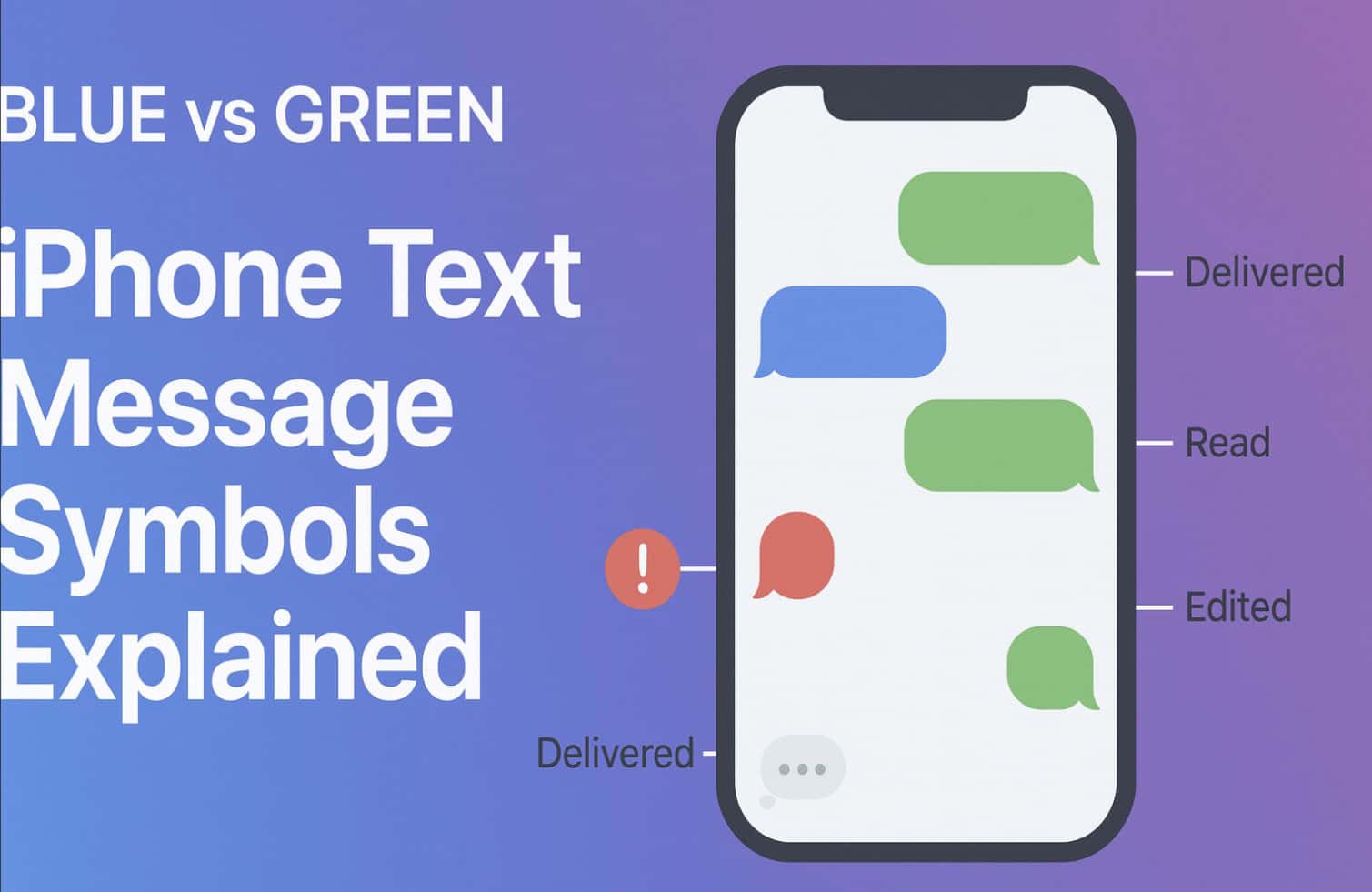
Few messages induce a spike in heart rate quite like receiving a standalone "..." or watching an innocuous reply drift off into trailing dots. You submit a project draft to your manager and receive "Thanks..." in response. You ask a parent if they want to meet for dinner and get "Sounds good... see you soon...". To digital natives, those three small marks signal hesitation, cold condescension, or impending catastrophe. Yet to the sender, the message was often entirely warm and conversational.
Linguists have unraveled the roots of this pervasive workplace and social anxiety. As highlighted in an Upworthy Report covering research on cross-generational communication habits, older writers lean on trailing dots not to intimidate, but to emulate the natural, loose rhythm of spoken thought. What younger readers perceive as weaponized subtext is frequently an artifact of analog writing traditions colliding with modern instant messaging.
📌 Key Takeaways:
- Linguistic Divide: Older communicators use ellipses as informal thought separators; younger recipients read them as passive-aggressive hesitation or unvoiced disappointment.
- The Line-Break Shift: The transition from physical letters to multi-bubble messaging changed how pauses work, turning standard punctuation marks into emotional amplifiers.
- Contextual Decoupling: Misunderstandings stem from differing defaults rather than malice, making sender demographics the most reliable decoding key.
The Sudden Chill of the Trailing Dot
In text messaging, punctuation does not merely organize clauses. It supplies the vocal inflections, facial twitches, and physical pacing absent from glass screens. Linguists call this digital body language.
When a face-to-face conversation stalls, awkward silence fills the room. On a screen, the ellipsis serves as the visual equivalent of that silence. If a friend sends "Are you free tonight?" and receives "No...", the dots drag out the rejection. The punctuation invites the recipient to wonder what was left unsaid. Did you ask something inappropriate? Are they offended? Is an unspoken complaint lingering in the void?
This text message punctuation anxiety affects professional channels as well. Platforms like Slack and Microsoft Teams have collapsed formal business memos into real-time chatter. In those high-stakes environments, ambiguity creates panic. A blunt "Let’s talk..." from a supervisor can ruin an entire weekend, even when the manager merely wants to discuss a routine scheduling update on Monday morning.
Typewriters, Postcards, and the Origins of Boomer Dots
To understand why older generations gravitate toward trailing dots, look to writing habits formed before smartphones existed. Baby Boomers and older members of Generation X grew up typing formal correspondence, handwritten letters, and brief postcard notes.
In that analog era, formal letters required rigid grammatical structures: indentations, topic sentences, and strict terminal periods. When writing informally on postcards or short memos, writers avoided rigid periods to keep the tone light and conversational. The ellipsis functioned as an easy bridge between thoughts. It took the place of an unhurried pause, a casual breath, or a dash.
Early internet users carried this pattern into bulletin boards, AOL chat rooms, and SMS protocols in the late 1990s and early 2000s. Early cell phones had 160-character limits, making a trailing set of dots a convenient way to say, "My thought is continuing, but I have reached the end of this screen." For those who adopted this habit decades ago, three dots mean connection and continuity. They do not mean hostility.
Generational Splits in Digital Body Language
Millennials and Generation Z entered the digital sphere under a different architecture: the instant-message bubble. Rather than composing single, dense paragraphs separated by internal punctuation, digital natives hit "send" between individual thoughts. The line break replaced the comma and the period.
Because each bubble represents a self-contained utterance, manual terminal punctuation took on unexpected emotional weight. Adding a final period to a one-line text message stopped looking like standard grammar; it began to look like deliberate, calculated finality. The table below outlines how common typographic marks shifted in meaning across age cohorts between 2015 and 2026.
| Punctuation Mark | Older Cohort Intent (Boomers / Gen X) | Younger Cohort Reading (Gen Z / Millennials) | Cross-Generational Friction Risk |
|---|---|---|---|
| Ellipsis (...) | Conversational pause; casual bridge between separate thoughts. | Passive aggression; withheld criticism; anxiety-inducing suspense. | Severe |
| Full Stop / Period (.) | Standard syntactic closure; grammatical accuracy. | Cold finality; clipped anger; conversation terminated abruptly. | High |
| Exclamation Point (!) | Urgent alarm; high excitement; shouting. | Baseline professional warmth; proof of positive intent. | Moderate |
| Thumbs-Up (👍) | Neutral receipt confirmation; efficient agreement. | Sarcastic brush-off; hostile compliance; indifference. | High |
For someone who grew up on mobile messaging, the ellipsis is explicitly loaded with subtext. If an author wants to convey a neutral pause, they send a single bubble and wait, or type "give me a sec." Using three periods is a conscious, stylistic choice. It signals that words were considered, rejected, and swallowed.
When Pauses Turn Passive-Aggressive in the Workplace
Tone policing in corporate messaging channels has accelerated as distributed teams become permanent. A survey of corporate digital communication trends revealed that over 64% of workers under age 35 reported second-guessing a colleague's message solely because of trailing punctuation.
The issue is asymmetrical interpretation. When an executive in their late 50s types:
"Reviewed the slide deck... let's talk tomorrow..."
They mean:
"I reviewed the deck. Looking forward to our scheduled chat tomorrow."
The 26-year-old associate who receives it reads:
"I reviewed the deck, and it has deep flaws. Prepare to defend your work tomorrow."
The gap between these interpretations drains morale. The associate spends an evening rewriting slides that were already satisfactory, while the executive remains entirely unaware that their informal punctuation caused panic.
Workplace linguists emphasize that punctuation marks do emotional work. When words lack auditory tone, readers fill the vacuum with their own baseline anxieties. Those three trailing dots supply an empty canvas, and recipients rarely paint a reassuring picture on it.
How to Read Trailing Dots Without Misinterpreting Intent
Navigating informal writing styles requires treating texts like dialect variations rather than intentional insults. Deciphering a message requires three practical diagnostic steps before reacting:
First, check the sender profile. If the message comes from a parent, grandparent, or colleague over age 50, apply the classic postcard rule. Read those three dots as a gentle breath or a soft comma. Mentally strip the dots away and re-read the sentence. In almost every case, the message becomes completely neutral or kind.
Second, separate the content from the punctuation. Look at the raw semantic payload. If a supervisor writes, "Great job on the report... thanks...", the words themselves offer unambiguous praise. Believing the supervisor secretly hated the report requires discarding the literal words in favor of invented subtext. Trust the words before the punctuation.
Third, adjust your own outgoing punctuation to match your audience. If you manage younger workers, swap the trailing dots for standard commas or separate message bubbles. If you want to convey casual warmth to a junior colleague, an exclamation mark or a brief emoji resolves ambiguity far better than an ellipsis ever will.
Frequently Asked Questions (FAQ)
Q1: What does it mean when someone ends every text message with three dots?
When a sender routinely ends texts with an ellipsis, it typically indicates an older writing habit rather than passive-aggression. Writers who learned to type before the smartphone era use trailing dots to link loose thoughts together, mirroring an informal speaking pause.
Q2: Why does an ellipsis make people feel anxious in text conversations?
In digital messaging, younger users use line breaks to separate ideas. Manually typing an ellipsis signals that something was deliberately left unsaid. The recipient's brain interprets that visual silence as hesitation, unvoiced criticism, or bad news.
Q3: How should I respond if a boss or client texts me an ominous "..."?
Do not panic or apologize proactively. Respond to the concrete information in front of you with a polite, direct question such as: "Sounds good, is there anything specific you would like me to prepare before we speak?" This forces clarity without validating imagined conflict.
Navigating Modern Text Etiquette Without the Guesswork
Digital communication is evolving faster than traditional grammar handbooks can track. The tension surrounding the ellipsis is not proof that younger generations are overly sensitive, nor does it mean older writers are deliberately rude. It simply exposes the friction that occurs when two separate generations bring different rules to the same chat window.
Language has always balanced efficiency against empathy. As texting remains the default medium for both critical work decisions and intimate family conversations, clarifying your intent matters far more than saving keystrokes.
If you mean to pause, take the pause. If you mean to encourage, use plain words to say so. Leaving three lone dots to do your emotional heavy lifting invites your reader to assume the worst, and in a medium starved for vocal nuance, clarity is the greatest courtesy you can offer.
