Why You Should Never Rip a Hangnail: The Hidden Danger of Sepsis and Paronychia
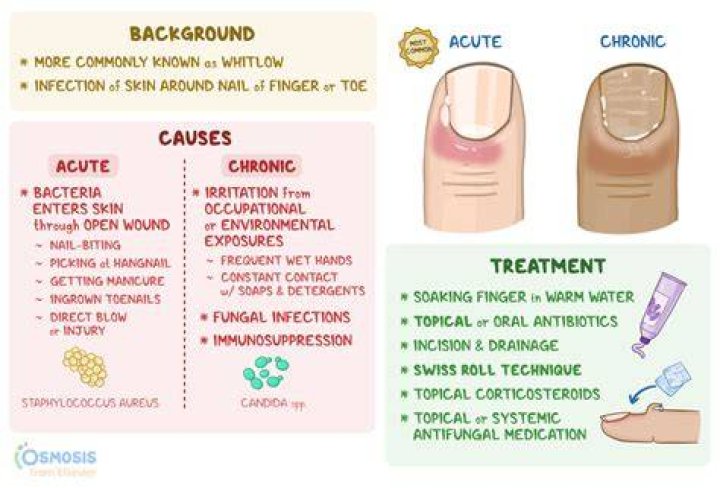
A stray sliver of skin beside the fingernail catches on a sweater thread or rubs raw against a steering wheel. Instinct urges an immediate tug. Resisting that urge can mean the difference between minor epidermal irritation and an emergency room drainage procedure. Despite its colloquial name, a hangnail contains no actual nail material. It consists of torn periungual skin, the delicate epidermal border framing the nail plate, that has dried out, cracked, and separated under mechanical friction.
Ripping this tiny, rigid projection downward peels away living tissue deep into the nail fold rather than snapping cleanly at the surface. According to medical analysis highlighted in The New York Times Report on nail border complications, ripping these dried skin fragments strips the stratum corneum, creating an unsealed breach where normal skin flora can flourish maliciously. What seems like an insignificant physical annoyance can rapidly turn into a debilitating bacterial infection.
📌 Key Takeaways:
- Structural Origin: A hangnail is torn periungual skin, not nail plate, created when dehydrated lateral folds separate under stress.
- The Tearing Risk: Pulling or biting rips viable tissue down into the vascularized dermis, destroying the physical seal that guards against acute paronychia.
- Clinical Removal: Never pull; soften the area in warm water, sanitize dedicated cuticle nippers, cut flush at the skin level, and apply topical antibiotic ointment.
- Critical Escalation: Throbbing pain, spreading erythema, or pus-filled blisters demand prompt medical drainage to avert deep tissue abscesses and sepsis.
The Biology of Torn Periungual Skin
The skin surrounding human fingernails fulfills a precise biological role: it forms an airtight, waterproof barrier protecting the germinal nail matrix where new nail plate cells grow. The lateral nail folds and the eponychium (the living skin fold just above the cuticle) constantly endure intense environmental stressors. Unlike the skin on palms or forearms, this periungual tissue possesses very few sebaceous glands. It generates minimal natural sebum to retain internal moisture.
When moisture drops, the top layer of skin cells dries out and loses flexibility. Keratinocytes shrink, stiffen, and pull apart from one another. Everyday mechanical tasks, typing on mechanical keyboards, turning brass door handles, handling paper documents, or washing dishes, place high shear stress on these brittle borders. Eventually, a small sliver of stratum corneum fractures and lifts. Because the base of this hardened fragment remains anchored in living, nerve-rich dermis, any lateral movement sends sharp pain signals across the digital nerve network.
Calling it a "hangnail" is technically inaccurate. The nail itself remains completely intact; the issue is purely a fractured skin margin. Once this rigid sliver protrudes, clothing fibers catch on it. This creates a persistent mechanical lever that pries open deeper layers of underlying skin with every routine movement.
From Minor Flap to Paronychia: How Infection Takes Hold
The primary hazard of a hangnail stems from how people attempt to get rid of it. Tugging a hangnail pulls the dense, fibrous keratinized layer downward along the finger. Instead of snapping off, it behaves like a zipper, peeling away viable epidermal cells and puncturing capillaries. The result is a raw, bleeding crevice sitting right beside the nail groove.
Human hands carry millions of microorganisms. Even on clean skin, colonies of Staphylococcus aureus and Streptococcus pyogenes reside quietly within skin crevices. An open tear beside the nail plate offers these bacteria direct access to nutrient-rich interstitial fluids and warm, oxygenated tissue. Within 24 to 48 hours, bacterial proliferation can provoke acute paronychia, a localized, painful infection of the periungual tissue.
Acute paronychia manifests with four classic signs of inflammation: localized heat, swelling, bright erythema, and intense throbbing pain. As neutrophils rush to neutralize the bacterial invaders, cellular debris and dead white blood cells collect beneath the lateral nail fold, forming a visible yellow or whitish abscess. Without prompt intervention, pressure builds within the rigid confines of the fingertip, making even the gentlest touch agonizing.
Clinical Outcomes: Tearing Skin vs. Controlled Clipper Removal
The difference between tearing a hangnail and using surgical-grade trimming techniques determines whether the epidermal barrier seals overnight or requires prescription interventions. Data compiled from clinical dermatology observations highlights the measurable divergence in patient outcomes based on removal methodology.
| Metric & Clinical Impact | Manual Pulling / Nail Biting | Sanitized Nipper Extraction |
|---|---|---|
| Dermal Barrier Disruption | Deep tear exposing dermis; micro-hemorrhages | Superficial stratum corneum trimmed flush |
| Microbial Contamination Rate | High; oral or environmental flora introduced | Negligible; sterilized stainless steel contact |
| Average Epithelial Healing Time | 5, 10 days with frequent scab disruption | 24, 48 hours with basic barrier protection |
| Risk of Secondary Paronychia | Estimated at 35%, 45% without prompt care | Under 2% in healthy populations |
| Risk of Matrix / Nail Bed Damage | Moderate; can cause permanent nail plate ridging | None; matrix remains undisturbed |
Modern Culprits: Sanitizer Dryness and Nail Biting
Hangnails do not materialize at random. They stem from chronic dehydration and physical habits that compromise periungual health. The widespread reliance on alcohol-based hand sanitizers in healthcare, hospitality, and daily life has sharply increased skin dryness. Formulations containing 60% to 80% ethyl alcohol strip natural surface lipids from the stratum corneum with every pump. Without regular lipid replacement, skin margins stiffen and fissure under standard mechanical stress.
Seasonal shifts accelerate this process. Cold winter air holds very little moisture, while indoor heating drives relative humidity down to desert-like levels of 15% to 20%. This dry environment constantly pulls hydration out of unshielded fingertips. Frequent wet-to-dry transitions, such as washing hands repeatedly without applying a rich moisturizer immediately afterward, trigger rapid skin contraction that fractures delicate nail folds.
Habitual nail biting, clinically termed onychophagia, compounds environmental drying. Biting exposes periungual skin to digestive enzymes present in saliva, including amylase and lysozyme. These enzymes dissolve protective lipids and break down cellular bonds in the top skin layer. Saliva also deposits aggressive oral bacteria like Eikenella corrodens, Fusobacterium, and multiple streptococcal species directly into these open cracks. This dynamic dramatically increases both the frequency of hangnails and the likelihood of severe bacterial infection.
The Safe Protocol: Trimming, Ointment, and Cuticle Care
Proper hangnail removal is a precise micro-procedure that protects living dermis from tearing. The entire process hinges on eliminating the protruding hard edge while leaving the surrounding skin barrier fully intact.
First, soften the hardened keratin. Submerge the affected finger in clean, warm water for 5 to 10 minutes. Alternatively, execute removal right after a warm shower. Hydrated keratin becomes flexible and cuts cleanly without cracking the surrounding tissue.
Second, sanitize your tools. Household nail clippers, office scissors, or kitchen shears harbor bacteria and crush skin rather than slicing it cleanly. Use dedicated, sharp stainless steel cuticle nippers. Soak the cutting blades in 70% isopropyl alcohol for at least 60 seconds before bringing them near your skin.
Third, clip flat against the base. Gently place the open jaws of the nippers parallel to the skin surface, precisely where the dead flap meets the healthy dermal margin. Squeeze firmly in one decisive motion. Never pull, twist, or yank the nippers away. If the flap does not separate instantly, release the tool, reposition the blade edges closer to the base, and cut again.
Finally, seal the barrier. Wash the finger with mild soap, pat it dry with a fresh towel, and apply a thin layer of topical antibiotic ointment or white petrolatum. Cover the area with a flexible adhesive bandage for 12 to 24 hours. This step prevents ambient dirt, lint, and bacteria from entering while new skin cells migrate across the trimmed margin.
Red Flag Symptoms and Sepsis Prevention
Most minor paronychia cases resolve with warm water soaks and antiseptic care. However, the closed, vascular compartments of the fingers present real pathways for deep systemic spread. The fibrous septa dividing the fingertip pulp can trap expanding infections, leading to a closed-space infection known as a felon. If bacteria enter the flexor tendon sheath, infectious flexor tenosynovitis can develop, threatening finger mobility and requiring urgent surgical exploration.
Patients must monitor periungual inflammation closely for signs of systemic escalation. If swelling spreads beyond the nail fold to the entire pad of the fingertip, or if red streaks begin ascending the hand and forearm, immediate medical intervention is essential. These red streaks mark lymphangitis, signaling that bacteria have penetrated the lymphatic system.
Sepsis prevention demands recognizing systemic red flags. If a throbbing finger infection is accompanied by a body temperature over 100.4°F (38°C), sudden chills, confusion, unexplained lightheadedness, or a resting heart rate exceeding 90 beats per minute, this represents a medical emergency. Once bacteria slip from soft-tissue capillaries into the bloodstream, a minor cosmetic annoyance can evolve into life-threatening bacteremia in hours. Seeking an evaluation from an urgent care physician or dermatologist prevents localized bacterial colonies from becoming systemic hazards.
Frequently Asked Questions (FAQ)
Q1: What is the main cause of hangnails?
A1: The main cause is severe local dehydration of the periungual skin surrounding the nail bed, often exacerbated by frequent handwashing, harsh chemicals, cold winter air, and repetitive mechanical friction.
Q2: Can I just rip a hangnail off if it is really small?
A2: Never rip a hangnail regardless of its size. Pulling almost always tears living dermal tissue downward, creating an open portal for opportunistic bacteria like Staphylococcus aureus.
Q3: How do I treat a hangnail that has already turned red and swollen?
A3: Soak the finger in warm water containing magnesium sulfate (Epsom salt) or mild antibacterial soap for 15 minutes, three times daily. Apply an over-the-counter topical antibiotic ointment and cover it with a sterile bandage. If swelling worsens or forms visible pus, see a physician for clinical drainage.
Q4: Is it better to use plain petroleum jelly or an antibiotic ointment?
A4: For an uninfected, freshly clipped hangnail, pure petroleum jelly provides an optimal moisture barrier without the risk of contact dermatitis associated with certain antibiotic ointments containing neomycin. Use antibiotic ointments if the skin barrier has torn open and shows mild early irritation.
Preserving the Periungual Skin Barrier
Maintaining healthy skin around your nails requires consistent hydration and practical habits. Because periungual tissue lacks internal oil glands, it relies on topical barriers to seal in moisture and prevent cracking. Keeping this skin intact stops painful hangnails before they start.
Apply thick emollient ointments or specialized cuticle balms immediately after washing your hands. Creams containing ceramides, dimethicone, or shea butter reinforce the delicate stratum corneum, allowing skin folds to bend under mechanical stress instead of splitting. Wear protective nitrile or rubber gloves when washing dishes, handling household cleaners, or working in cold outdoor weather. By maintaining the skin barrier and treating minor skin tears with clean tools, you eliminate the risk of paronychia and keep everyday bacteria out of deeper tissue.
