Why Your Chicken Seasoning Fails: The Fast-Food Spice Secrets Exposed
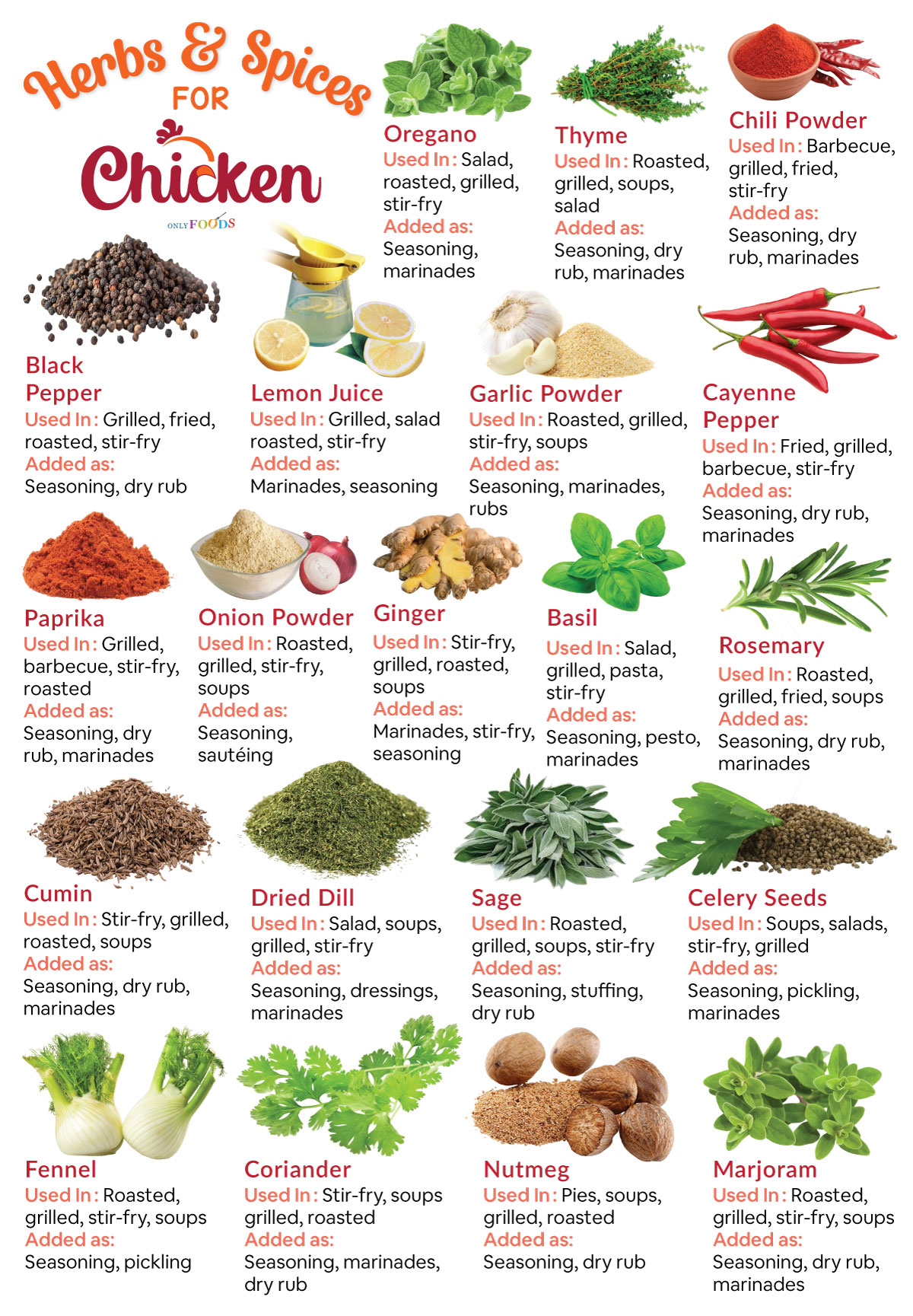
Home cooks dump teaspoons of store-bought poultry seasoning over raw chicken breasts, slide the pan into a 400°F oven, and pull out a bland, dry cutlet coated in burnt flakes. Despite cabinets overflowing with gourmet rubs, homemade poultry rarely approaches the deep savory punch of the world's most recognizable takeout. As analyzed in a detailed Fox News Report dissecting why fast-food fried chicken tastes fundamentally distinct from domestic attempts, commercial kitchens operate under chemistry rules that everyday recipes routinely ignore.
The gap comes down to three operational barriers: lipid-to-water flavor extraction, seasoning carrier timing, and a systemic misunderstanding of heat thresholds. Commercial operations never dust dry seasonings onto naked meat moments before cooking. Instead, they harness targeted fat solubilization, hyper-specific ground aromatics, and amino acid enhancers that withstand industrial cook temperatures.
📌 Key Takeaways:
- The Delivery Failure: Surface dusting washes off in pan juices or scorches under high dry heat before aromatic compounds penetrate meat fibers.
- The Chemical Catalyst: Commercial flavor profiles rely on high white pepper ratios, micronized alliums, and free glutamates dissolved within an acidic brine.
- The Heat Barrier: Delicate whole-leaf herbs incinerate above 325°F; fast-food profiles pulverize dried components directly into flour or dredge mediums to insulate them from direct flame.
The Salt Barrier and Why Pre-Mixed Seasonings Mute Flavor
Most commercial poultry blends contain between 40% and 60% standard sodium chloride. When you apply a pre-mixed rub to raw chicken, you cannot control the salt concentration independently of the botanical spices. If you salt the meat enough to cure the interior muscle fibers, the herbs turn overwhelming; if you season moderately to spare the herbs, the interior remains flavorless and watery.
Water soluble seasoning components cannot penetrate dense poultry tissue on their own. Salt is the sole molecule small enough to diffuse through intact cell membranes via passive osmotic pressure. When salt enters the muscle, it denatures proteins, enabling them to trap cellular water during the cooking cycle. Ground spices, whether dried rosemary, cracked peppercorns, or ground cumin, measure hundreds of times larger than cellular pore boundaries. They stay trapped entirely on the exterior skin or crust.
Layering must happen in strict phases. A calculated poultry brine technique draws liquid-dissolved salt deep into the bird over 4 to 12 hours. Only after interior hydration stabilizes should fat-soluble seasonings enter the mix. Adding botanical rubs to an un-brined cutlet creates an osmotic tug-of-war, pulling moisture out of the bird and turning your dry spice rub into a lukewarm, muddy puddle.
The Science Behind the 11 Secret Herbs and Spices
Decades of food science forensics and commercial recipe dissections, detailed by publications like Tasting Table and The Takeout, have largely demystified the legendary 11 secret herbs and spices. The real secret is not a magical missing plant. It is an unorthodox ratio dominated by finely ground white pepper, balanced by pungent celery salt seasoning and high-grade alliums.
Home cooks instinctively reach for coarse black pepper. Black pepper delivers sharp piperine heat coupled with sharp terpene notes that sit aggressively on the tongue. In contrast, fermented white pepper delivers a deep, earthy warmth with faint barnyard complexities that melt seamlessly into rendered chicken fat. In high-volume fast-food chicken formulas, ground white pepper out-measures black pepper by up to three parts to one.
Celery salt acts as a stealth flavor bridge. Celery seeds carry naturally occurring nitrates and phthalides that trick human salivary glands into registering deeper savory depth without adding excessive perceived saltiness. When paired with dried thyme and oregano pulverized into fine powders, these botanical oils disperse evenly throughout a crispy fried chicken batter instead of creating burnt, bitter specks in hot frying oil.
The Dublin Spice Bag vs. Commercial Southern Profiles
Commercial chicken seasoning approaches differ wildly depending on regional food culture. American fast-food chicken hinges on sustained immersion in spiced flour coatings, whereas modern street-food phenomena, most notably the Dublin spice bag, rely on flash-tossing crisp fried chicken strips with dry, intense spice blends straight out of the wok. Both achieve extraordinary umami through completely different flavor architectures.
| Seasoning Style | Core Spice Foundation | Flavor Carrier Medium | Thermal Target |
|---|---|---|---|
| Southern Commercial | White pepper, celery salt, garlic/onion powder | Wheat flour and pressure-fry shortenings | 325°F, 350°F (Internal 165°F) |
| Dublin Spice Bag | Chinese five-spice, white pepper, ground chili | Rendered wok oil and salt tossed post-fry | 375°F flash-fry, room-temp toss |
| Classic Smokehouse | Smoked paprika, brown sugar, mustard powder | Surface poultry fat and wood smoke vapor | 225°F, 275°F indirect heat |
The Dublin profile, born in early 2010s Irish-Chinese takeaways and now an international menu staple, pairs star anise, cassia bark, and Sichuan peppercorns with generous white pepper and monosodium glutamate flavor enhancer. While Southern commercial seasoning insulates spices inside an all-purpose flour matrix during pressurized frying, the Dublin approach leaves the spices unheated until the moment they coat hot, fresh-fried potato chips and chicken strips. Both prevent spices from scorching, preserving volatile essential oils.
Fat Solubilization and the Buttermilk Emulsion Engine
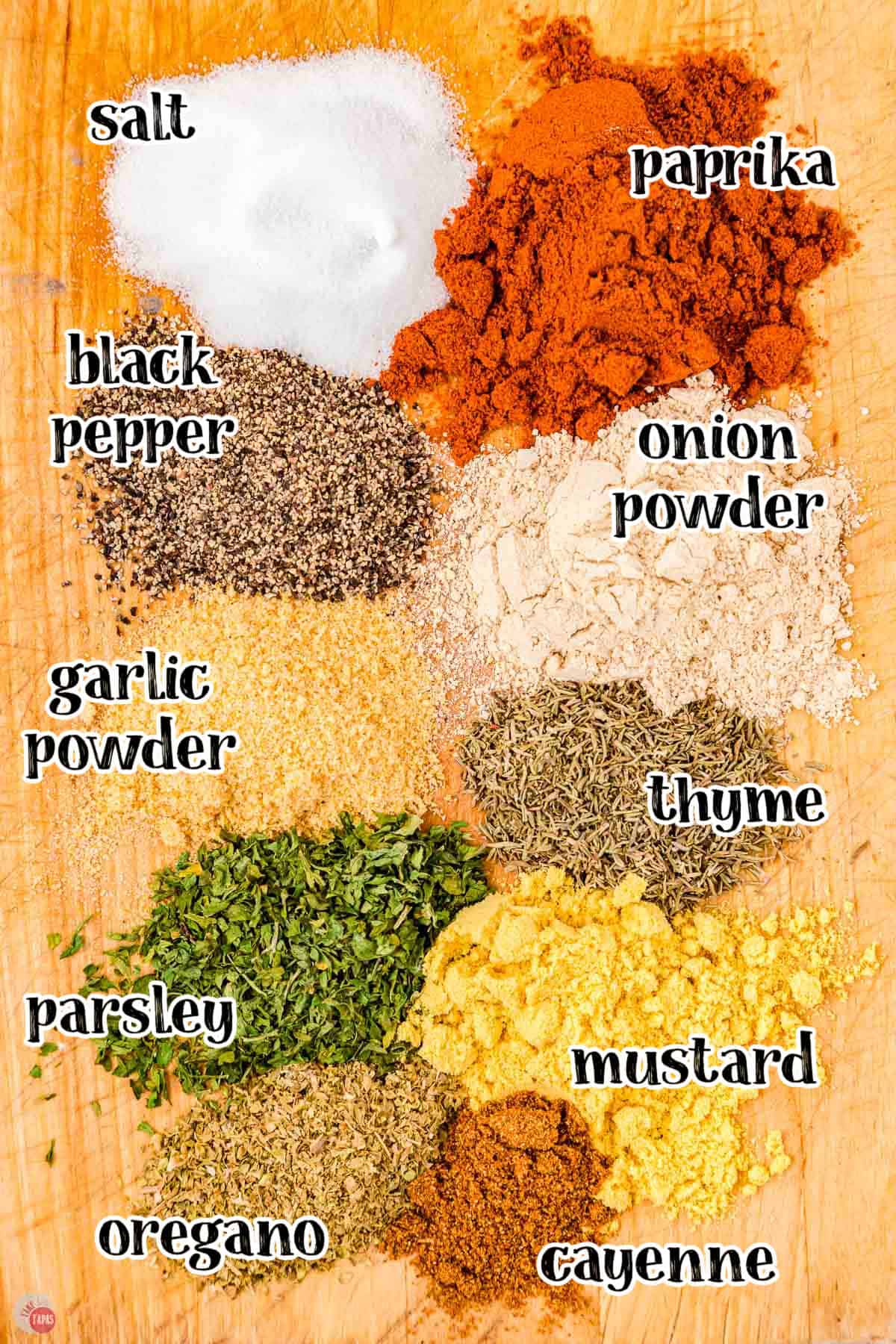
Spices do not dissolve in water. Capsaicin from peppers, allicin derivatives from garlic and onion powder, and thymol from dried herbs are hydrophobic compounds. If you mix spices into a watery broth or rub them onto a wet chicken breast, those volatile aromatics slide off during cooking without permeating the meat.
This reality explains why buttermilk marinade remains an indispensable tool for copycat fast-food chicken. Buttermilk operates at a naturally balanced pH of 4.4 to 4.8. This mild acidity tenderizes surface meat proteins without turning the flesh into mush, a common pitfall of harsher citrus juices or distilled vinegars. More importantly, real cultured buttermilk contains roughly 1% to 2% emulsified milkfat alongside natural phospholipids like lecithin.
Lecithin binds fat-soluble spice molecules directly to water-soluble poultry proteins. When you blend smoked paprika rub ingredients, cracked herbs, and powdered alliums into buttermilk, you create a stable, clingy emulsion. As the poultry rests, botanical oils dissolve into the fat globules. When the chicken hits hot oil, the milk solids fry into crisp flavor pockets, anchoring the spice blend across every square millimeter of crust.
The Monosodium Glutamate Truth You Cannot Skip
Home kitchens run into an artificial flavor ceiling because they refuse to use the cornerstone ingredient of commercial frying: pure monosodium glutamate. Commercial fried chicken and spice bag mixtures derive their addictive savoriness from free glutamate ions binding to the T1R1/T1R3 umami taste receptors on the human tongue.
A standard whole chicken contains natural glutamic acid bound within its raw proteins. However, bound glutamate triggers zero flavor response. Fast-food processors elevate this profile by introducing MSG at an exact 0.2% to 0.5% weight ratio relative to dry dredge flour. At this concentration, MSG accelerates perceived saltiness by up to 40%, allowing processors to pull back on harsh sodium chloride while dramatically boosting overall richness.
Pairing MSG with nucleosides naturally found in chicken meat (specifically inosine monophosphate) creates a synergistic flavor explosion. The human tongue registers the combination as up to eight times more intensely savory than MSG alone. Omitting this crystalline compound from a chicken seasoning blend guarantees your homemade fried chicken will taste noticeably flat alongside commercial counterparts, regardless of how much organic garlic powder you throw into the bowl.
Frequently Asked Questions (FAQ)
Q1: Why does smoked paprika taste bitter when applied directly to roasted chicken?
A1: Ground paprika contains natural sugars and fragile volatile oils that scorch above 300°F. If you roast at high heat, brush chicken with oil and apply paprika during the final 10 minutes, or blend it directly into a protective starch coating.
Q2: Can I substitute black pepper for white pepper in copycat chicken recipes?
A2: You can, but it fundamentally changes the taste. Black pepper provides sharp, piney top notes that hit the front of the palate. White pepper delivers an earthy, lingering warmth that fast-food blends rely on to create an integrated savory background.
Q3: How long should chicken sit in a buttermilk marinade for maximum spice uptake?
A3: Keep bone-in pieces submerged for 4 to 8 hours, and boneless cutlets for 2 to 4 hours. Marinating past 12 hours breaks down delicate surface proteins too far, creating an unpleasantly soft texture beneath the batter.
Q4: What is the optimal ratio of MSG to use in homemade chicken rubs?
A4: Use roughly 1/2 teaspoon of MSG per 1 cup of flour or dry rub mix (about 2 grams per 150 grams of dry mix). This matches standard commercial ratios without imparting an artificial, metallic aftertaste.
Practical Takeaways for Home Cooks
Escaping mediocre homemade chicken requires throwing out single-stage seasoning habits. Fast-food consistency rests on simple physical systems: separating your brine from your aromatics, embracing white pepper as your primary heat base, dissolving botanical oils in cultured dairy, and leveraging glutamate chemistry.
Before poultry touches heat, let salt work through the muscle via liquid diffusion. Pulverize dry herbs to keep them from charring, and blend spices into fat-rich carriers rather than raw water. Once you control how and when flavor compounds interact with chicken proteins, your kitchen will turn out crispy, seasoned poultry that easily rivals the drive-thru window.
