Will Marvel Rivals Mods Get You Banned? Fact-Checking Config Edits and Skin Injections
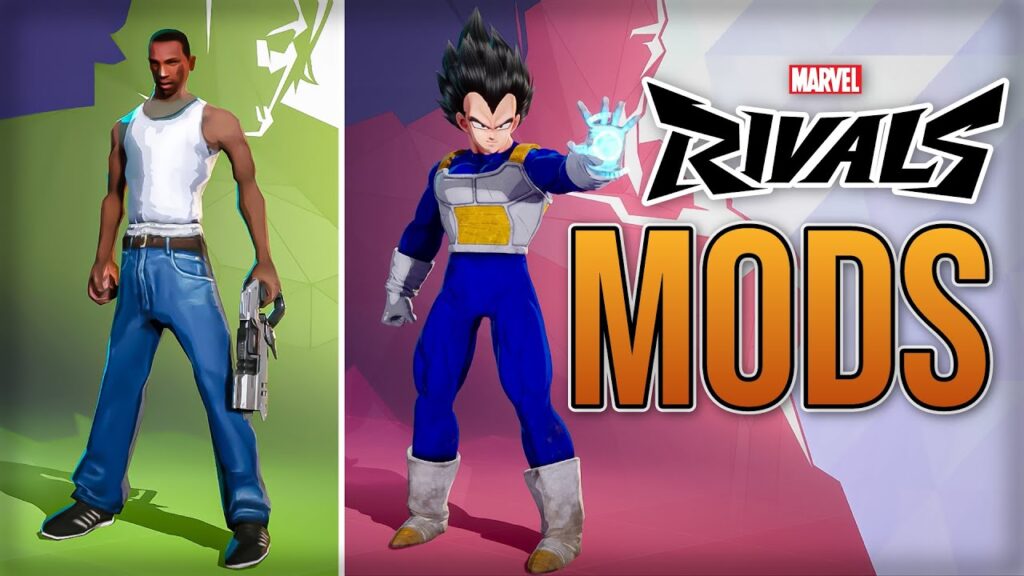
Within days of the launch of Marvel Rivals, modders cracked open the game’s Unreal Engine 5 archives to introduce custom skins, ranging from comic-accurate Spider-Man recolors to entirely imported models. What began as a decentralized playground for cosmetic tweaks quickly escalated when players uncovered engine-level configuration exploits that allowed matchmaking manipulation, custom field-of-view stretches, and lobby dodging. As publisher NetEase Games expanded its security apparatus, mod distribution hubs faced immediate fallout, a situation highlighted in a recent FRVR Report documenting sudden bans for users sharing modified files on official and community Discord servers.
📌 Key Takeaways:
- The Enforcement Reality: NetEase considers all unauthorized client tampering a terms of service violation, with ban waves systematically targeting memory injectors and lobby-dodging scripts.
- Platform-Level Purges: Sharing or hosting pak extractors and modified game assets now triggers immediate bans across affiliated community platforms and Discord servers.
- Client vs. Server Risk: While passive pak file swaps historically slipped past superficial file checks, continuous updates to NetEase's proprietary anti-cheat engine increasingly flag non-whitelisted archive signatures upon startup.
The Rapid Rise of Custom Skins and Pak File Modification
The modding scene for Marvel Rivals exploded on platforms like Nexus Mods within forty-eight hours of early access. Modders identified that the game packaged its visual assets using standard Unreal Engine .pak file hierarchies. By extracting these archives, artists swapped diffuse textures, altered character meshes, and replaced default sound effects without touching external executable code.
Early projects focused purely on local client-side cosmetics. A player could transform the base Iron Man armor into the classic Silver Centurion suit, visible only on their private monitor. Because these edits did not alter hitboxes, projectile velocity, or cooldown timings, many community members assumed the practice lived in a benign gray area. Polygon reported that creators flooded mod repositories despite vague warnings from community managers, driven by an appetite for comic-accurate variants that NetEase had not yet sold in the in-game shop.
That perception of safety dissolved quickly. Unlike single-player titles where local file swaps carry zero consequences, modern live-service hero shooters treat the integrity of their game directories as a monolithic security boundary. When Season 1 rolled out, thousands of players discovered that even cosmetic edits triggered integrity warnings during client handshake protocols.
Config Edits vs. Memory Injection: Where NetEase Draws the Line
To understand the ban risk, players must distinguish between passive file modifications and active memory injection. Passive modifications rely on replacing asset archives inside the game's directory or altering plain-text configuration files (Engine.ini or GameUserSettings.ini). Active injection, by contrast, relies on third-party software executing dynamic link libraries (DLLs) directly into running system memory to hijack rendering pipelines.
Config file edits crossed into dangerous territory when competitive players began modifying engine parameters to gain unfair tactical advantages. Users realized they could strip post-processing shadows, disable fog parameters to expose stealth characters, and force custom aspect ratios that expanded horizontal peripheral vision far beyond the intended 103-degree cap. Worse, specific network serialization parameters inside custom configuration profiles enabled players to force client-side disconnects without triggering matchmaking abandonment penalties, effectively allowing them to dodge unfavorable team compositions.
NetEase's anti-cheat framework, built to police high-stakes hero shooters, does not parse intent. An injected DLL designed to overlay a custom Storm skin operates with the exact same memory-hooking behavior as an unauthorized wallhack. When the client's anti-cheat driver detects unsigned memory pointers or modified executable hooks, it flags the machine hardware ID, staging the account for the next disciplinary pass.
Enforcement Timeline: Tracking NetEase's Anti-Cheat Response
NetEase has steadily closed client vulnerabilities since early beta testing. The publisher shifted from quiet telemetry logging to public hardware bans, disrupting the open-source modding community.
| Modification Type | Technical Execution | Detection Method | Account Risk Level |
|---|---|---|---|
| Cosmetic Pak Swaps | Direct replacement of .pak files in local game directory | Startup SHA-256 hash checks and signature verification | Moderate to High (Client launch errors or suspension) |
| Engine Config Exploits | Read-only modifications to Engine.ini for FOV/shadow bypass | Server-side parameter clamps and client integrity validation | High (Ranked competitive bans) |
| Third-Party Skin Injectors | Direct runtime memory hooking via external .exe or DLL loaders | Kernel-level anti-cheat memory scanning and hook traps | Critical (Permanent hardware ID ban) |
| Match-Dodging Network Scripts | Automated socket drops and config-driven handshake halts | Server telemetry, disconnect pattern heuristics | Permanent (Immediate matchmaker expulsion) |
Reports published across enthusiast outlets, including 80.lv and Siliconera, initially highlighted that Season 1 had not instituted an automated, wholesale ban on all modified asset folders. Players who simply unpacked loose sound files often experienced silent launch crashes rather than immediate bans. However, IGN noted that this grace period closed as players attempted to hide gameplay-altering scripts beneath skin packages, forcing NetEase to tighten its automated response triggers.
The Discord Crackdown and Distribution Choke Points
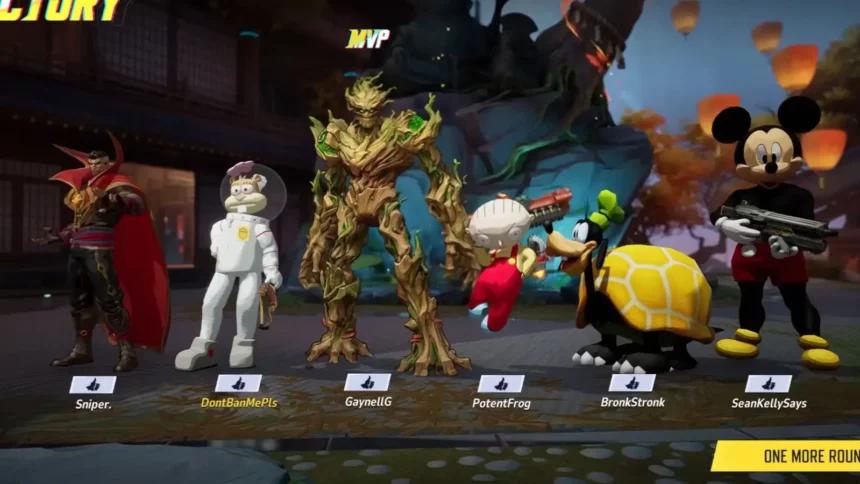
The anti-modding campaign extends far beyond the game client itself. NetEase's community team enacted a zero-tolerance policy across public communication channels, issuing immediate permanent bans to anyone sharing, linking, or discussing modding pipelines within official Discord servers.
This purge caught community members by surprise. Dedicated modding servers hosted on Discord saw automated takedown notifications and account terminations under platform terms of service regarding reverse-engineered proprietary software. Server owners who spent weeks compiling custom skins found their distribution channels severed overnight.
The reason for this platform-level crackdown lies in liability and control. Third-party mod injectors frequently bundle malicious code, leading to compromised user accounts and credential theft. By cutting off public Discord distribution networks, NetEase insulates casual players from malicious downloads while disabling the primary support infrastructure that mod creators rely on to distribute engine-patch workarounds.
Why NetEase Must Defend Cosmetic Integrity
The clash between player creativity and corporate enforcement stems from fundamental business models. Marvel Rivals is a free-to-play live-service title operating on a monetization model built entirely on microtransactions, battle passes, and high-tier character skins. Premium cosmetic bundles command prices between $15 and $30 in the digital storefront.
When players can download community-made skins that match or exceed official shop offerings in fidelity, the commercial engine breaks down. Even if a skin mod is purely client-side, it eliminates the user's personal incentive to purchase official items. In the free-to-play sector, publishers treat cosmetic injection as equivalent to piracy. If user-generated skin swaps go unpunished, conversion rates on seasonal battle passes decline.
Furthermore, allowing unverified file modifications risks opening security vectors for competitive tampering. A system that permits custom mesh imports cannot easily verify whether that mesh retains the original hitbox bounds without spending server processing cycles on client-side rendering geometry. For a game aiming to cement a permanent spot in the competitive esports ecosystem, absolute client uniformity is non-negotiable.
Frequently Asked Questions (FAQ)
Q1: Can I get banned for using a purely cosmetic skin mod in Marvel Rivals?
Yes. While you might not be banned instantaneously, modifying game files violates the NetEase Games Terms of Service. If an anti-cheat update scans your client directory and detects modified archive signatures or hooked memory addresses, your account will be flagged for suspension.
Q2: Is editing config files to increase FPS or change my FOV safe?
No. NetEase explicitly clamped engine configuration edits after players used them to bypass FOV restrictions and remove visual clarity barriers like smoke and shadows. Manipulating configuration files past official settings menu caps risks competitive suspensions and matchmaking disqualifications.
Q3: Does the anti-cheat flag custom sound packs the same way as 3D model swaps?
Yes. Marvel Rivals packages audio and visual files inside the same Unreal Engine .pak containers. Any manual modification disrupts the archive's internal checksum, causing the anti-cheat verification system to flag the entire directory as altered.
Q4: If I delete my mods, will my account return to a safe status?
Restoring the original files removes the risk of immediate launch-time integrity crashes. However, if your account was already flagged by anti-cheat telemetry while running modified files during a previous match, verifying file integrity via Steam or the Epic Games Launcher will not erase past server-side infraction logs.
Navigating Client Integrity in Marvel Rivals Going Forward
The early phase of unchecked experimentation in Marvel Rivals has ended. As NetEase consolidates its anti-cheat tools, the margin of error for community modification has narrowed to zero. The studio views its client files as protected intellectual property, essential to both its competitive integrity and its microtransaction revenue.
Players hoping for official mod support or custom community lobbies will have to wait for NetEase to build sanctioned creative tools. Until official developer interfaces arrive, running client-side injectors, editing engine configuration profiles, or loading loose pak files remains an active gamble with your account standing and hardware profile.
